
6. Propagation, Pruning, and Shaping: A New Generation and the Perfect Shape
-2.jpg)
Growing houseplants isn't just about watering—it's about creating a beautiful aesthetic and expanding your indoor jungle. Whether you want to fix a leggy plant, support a heavy monstera, or propagate your favorite houseplant, we've put together the best propagation techniques and care solutions.
Why do plant cuttings rot in water and how to root them successfully?
Every plant owner eventually searches where to cut a monstera for propagation or whether leaf propagation and stem cutting propagation work for houseplants. The biggest disappointment is when plant cuttings rot in water and propagation water smells bad. Beginner growers can also get spooked by white spots on cuttings in water (often mistaken for mold, though it's callusing—the precursor to new roots). The ultimate question remains: how long does root propagation take?
If a cutting is rotting, remove it immediately, cut away the mushy black rot down to healthy tissue, and refresh both the vessel and water. To speed up the process and prevent infection, use a quality rooting hormone or rooting powder. Avoid replacing the water entirely every day; top it up instead so you don't pour out natural rooting hormones released by the plant. Don't forget that plant cuttings need to calluses after cutting. Letting the cut heal reduces the risk of cutting rot during water propagation.
Skip using plastic yogurt containers for rooting. Cuttings need light and a clean environment. An ideal and stylish solution is our handcrafted wooden propagation stations with glass test tubes. They let you inspect every millimeter of growing root, keep water fresher longer, and turn plant propagation into an interior design feature.
How to transition cuttings from water to soil and explore other methods?
Another hurdle occurs when transitioning cuttings from water to soil. Plant lovers often search for help when seeing a wilted cutting after potting into soil. Water roots are delicate and experience transplant shock in standard soil. That's why many turn to alternatives—most commonly how to use perlite for propagation or propagating in sphagnum moss, which create the perfect transitional environment.
If your cutting wilts in soil, boost localized humidity immediately: cover it with a clear glass cloche or plastic bag (creating a mini greenhouse) and keep the potting mix slightly damper than usual for the first few weeks.
Pot water-rooted cuttings into soil when roots reach about 1 to 2 inches (3–5 cm) long (don't wait until they form a dense, tangled mess). For a smoother transition, mix plenty of perlite into the soil mix—it retains moisture while letting delicate water roots breathe.

BotaneryLab Plant Propagation Station FUSION - Mixed Wood Combination WoodenBotanery
View details
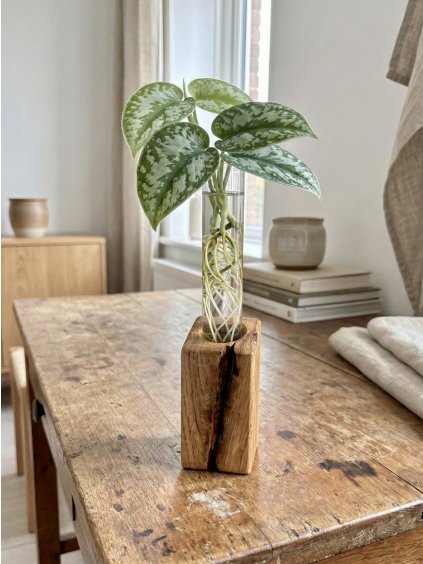
BotaneryLab ELEMENT Oak - Wooden Plant Propagation Station WoodenBotanery Motif: A
View details

BotaneryLab Wall-mounted Propagation Station WALL STATION - Large Frame WoodenBotanery
View details
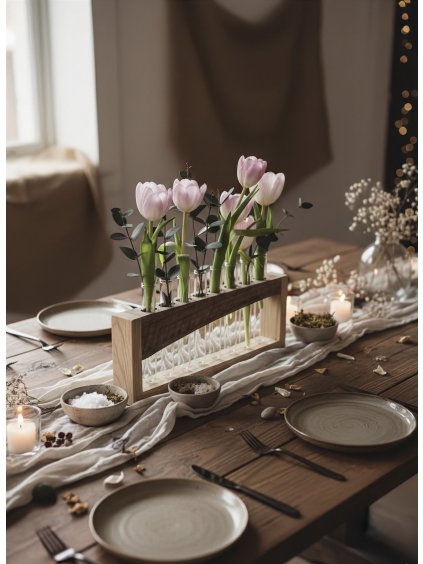
Botanical Solitaire FESTUM FLORUM: Tabletop Test Tube Vase Stand made of Walnut and Ash for Floral Arrangements
View details
How to prune a leggy houseplant and choose plant supports?
When houseplants lack light, stems stretch thin and growers search how to prune leggy plants. To achieve bushier growth, learning how to pinch back houseplants is key. Sometimes a hard prune on ficus trees or woody houseplants is necessary to rejuvenate growth. Another big question involves aerial roots—what to do with aerial roots and should you cut them? (Answer: preferably not!). When a plant grows wild in every direction, people ask how to make climbing plant supports and specifically how to moisten moss poles for monsteras. Routine maintenance should also include regularly removing dead flowers and dry leaves.
During heavy pruning, don't be afraid to cut back up to half the plant—always do this in spring using sharp, sterilized shears just above a node. Do not cut aerial roots on climbing plants; they help the plant breathe and grip surfaces. If they get unruly, tuck them back into the pot soil or wrap them around a moist pole support.
Provide climbing and trailing houseplants (like Monstera, Epipremnum, Philodendron) with a sturdy plant support early on. This encourages them to produce significantly larger, mature leaves.