
7. Nutrition and Flowering: Fertilization and Growth Promotion
-1.jpg)
For houseplants to grow beautifully, produce massive leaves, or set abundant blooms, they need the right nutrient supply. Within the limited soil inside a plant pot, nutrients get completely depleted after a few months. Proper houseplant fertilizing is a science where over-enthusiastic care often leads to mistakes. Let's look at how to properly recharge energy into your indoor jungle.
What causes over-fertilization and how to save fertilizer-burned roots?
More fertilizer doesn't mean faster growth. If you overdo it, the result is an over-fertilized houseplant. Excess salt draws moisture out of plant cells, leading to fertilizer root burn. Outwardly, this causes shock—sudden leaf drop and yellow leaves after fertilizing. Another clear sign is a white crystalline crust on plant soil from fertilizer buildup that forms on the surface, looking like fine salt crust.
If you suspect fertilizer burn, you must flush excess fertilizer out of the soil immediately. Take your plant to the shower or bathtub and flush the pot (with drainage holes) with a large volume of lukewarm, settled water (several times the pot's volume). Water flushes the soil and washes away excess salts. If root damage is severe, you'll need to completely repot the plant into fresh potting soil.
Always follow the dosage recommended on the fertilizer label, and err on the side of using slightly less rather than more. Never apply plant food to bone-dry soil—it will burn the roots.
How to spot nutrient deficiency and leaf chlorosis?
The opposite of over-fertilization is plant starvation. When nutrient deficiency in houseplants sets in, vitality grinds to a halt. A typical sign is a plant not growing or blooming despite getting sufficient light. New growth appears small and pale. A very specific malnutrition disease is leaf chlorosis, often described as pale leaves with dark green veins (the leaf turns yellow while veins stay distinctly dark green). This indicates an acute iron or magnesium deficiency.
For chlorosis and severe malnutrition, standard soil fertilizers act slowly. Apply specialized foliar fertilizer spray (plant food sprayed directly onto leaves). Houseplants absorb micronutrients through leaves much faster than through weak or damaged roots, bringing back vibrant green color within days.
Establish a regular fertilizing schedule. Many indoor gardeners wonder when to start fertilizing houseplants in spring—March is ideal as daylight increases. People also ask about fertilizing houseplants in winter and how often to feed houseplants. Reduce fertilizing to a minimum or stop completely during winter (November to February) while plants are dormant. It's also vital to know when to fertilize after repotting—fresh potting soil contains enough nutrients for the first 4 to 6 weeks, so hold off on feeding right after repotting.
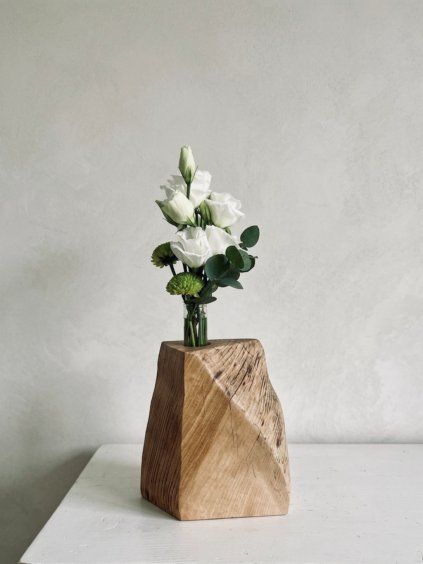
WoodenBotanery Ash Vase RUSTIC II
View details
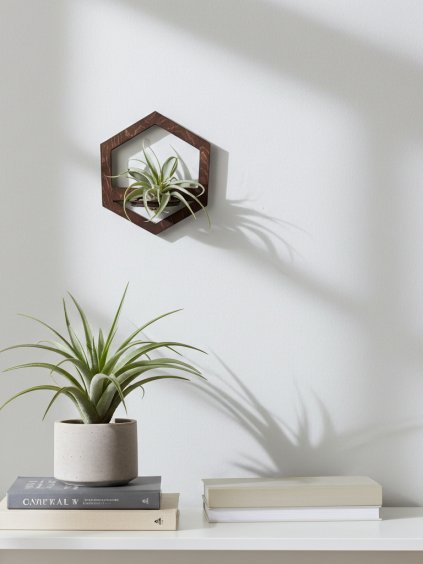
WoodenBotanery Wall Mount Holder for Air Plants HEXAGON - Dark Brown
View details
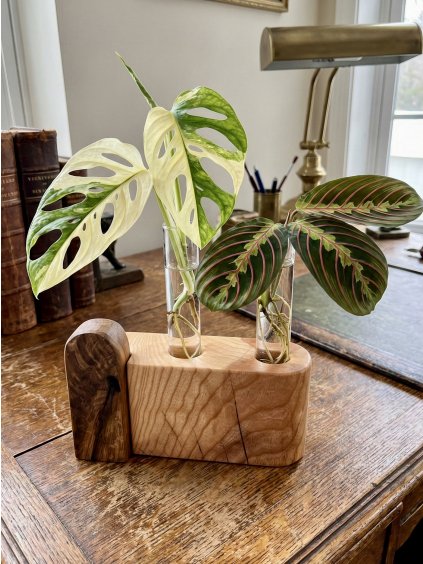
BotaneryLab Propagation Station GEMINI - for 2 Cuttings WoodenBotanery
View details

BotaneryLab™ NEXUS – Designer Solid Walnut Tabletop Stand for Floral Arrangements with Glass Test Tube
View details
Do homemade DIY fertilizers work and what if a plant won't bloom?
To avoid chemical fertilizers, growers frequently search for homemade plant fertilizer recipes. Popular DIY options include yeast fertilizer for plants, coffee grounds in plant soil, eggshell fertilizer, and banana peel fertilizer tea. Another frustration is searching why a houseplant isn't blooming, dealing with flower buds dropping, orchid buds drying up, or browning flower petals. Plant lovers search for ways how to get peace lily to bloom, complaining about short bloom times or mysterious sticky sap on plant flowers.
If a blooming plant drops its buds, it's experiencing shock (relocation, drafts) or lacks phosphorus. Switch to a bloom booster fertilizer formulated with higher phosphorus. As for what to do with dead flowers and when to cut flower stems: wait until the stem turns yellow and dries out completely, then snip it near the base with clean shears. Sticky sap on flowers (assuming no pests are present) is often just natural floral nectar.
Be careful with DIY fertilizers. Used coffee grounds acidify soil (great for ferns, but fatal for monsteras), while banana peel water attracts fungus gnats and mold. If you're deciding between fertilizer spikes vs liquid fertilizer, liquid plant food for foliage houseplants is safer for beginners because you can precisely control dosage. To give plants energy for blooming and leaf growth, keep leaves clean and dust-free.