
5. Light, Temperature, and Location: Ideal Growing Conditions
-2.jpg)
Every houseplant has unique environment requirements. While one thrives in direct sunlight and warmth, another literally burns and demands shade. Proper placement in your home determines whether your plant flourishes or whether you'll constantly struggle. Let's cover the most common issues with light, drafts, and winterizing.
How to fix low light, shade, and light deficiency?
Indoor plant owners frequently look for low-light houseplants, shade-tolerant plants, plants for dark hallways, or plants for windowless bathrooms. When a plant suffers from insufficient light, signs are clear: the plant becomes leggy stretching for light (long, thin stems), develops pale leaves from low light, or grows surprisingly small leaves. You'll often notice a plant losing color in shade as white patterns fade and variegation vanishes. This is a major challenge for home growers, especially with winter light deficiency for houseplants.
Plants cannot survive long-term in a dark windowless bathroom without artificial lighting (they need grow lights). If your plant has stretched out and become leggy, move it closer to a bright window immediately. Lost variegation won't return to old leaves, but new growth will emerge vibrant, colorful, and healthy once moved into bright light.
Choose plants based on actual room lighting—if you have a north-facing room, try a ZZ plant (Zamioculcas). To give your plants maximum natural light, don't leave them sitting on the floor in furniture shadows. Elevate them on elegant wooden plant stands from our workshop to lift them to window level where they can catch optimal light rays.
What causes damage from direct sun, AC, and radiators?
While people search for direct sunlight plants or best plants for south-facing windows, they often underestimate intense summer sun rays. If a plant isn't acclimated, dry sunburned leaves on houseplants, brown sunspots, or overall leaf fading and yellowing quickly occur. Another indoor extreme is winter heating. People buy plants for near radiators, but any plant next to a heater suffers severely from dry air, and plants above radiators lose moisture rapidly. The opposite plant killer is freezing air when combining houseplants and air conditioning.
Prune sunburned leaves for aesthetics and shift the plant a few feet back from the window, or filter midday sun with a sheer curtain. Move plants out of direct AC airflow or away from hot radiators into a neutral room zone immediately.
Instead of placing pots on window sills over hot radiators, create a safe green sanctuary. Whether choosing large houseplants for living rooms (like Monstera or Strelitzia) or air-purifying bedroom plants, display them on elevated plant stands away from direct heat and cold drafts. They will look stunning and their leaves won't dry out.
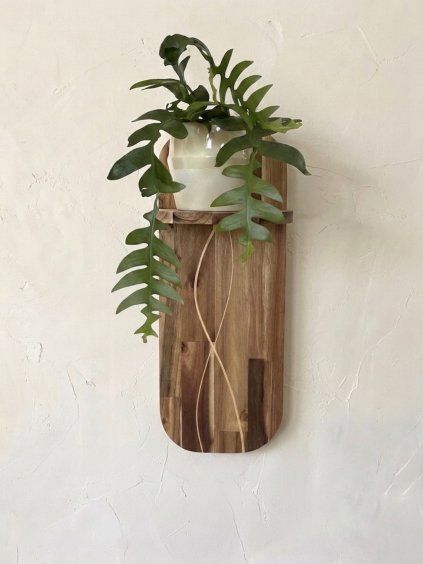
WoodenBotanery Wall-mounted Pot Holder CIRRUS Acacia - Wavy
View details
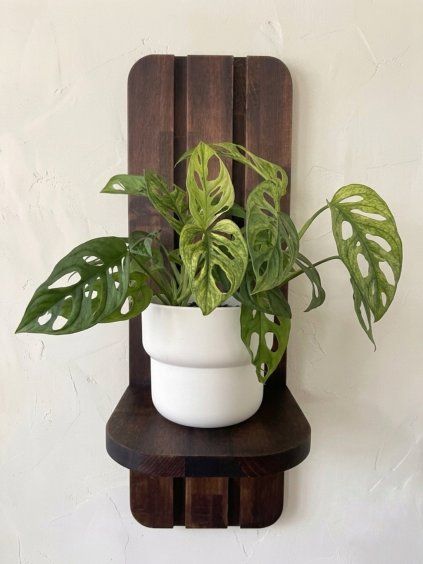
WoodenBotanery Wall Plant Stand LAMELLA Beech - Dark
View details

WoodenBotanery LINEA Side Table – Solid Ash Wood
View details
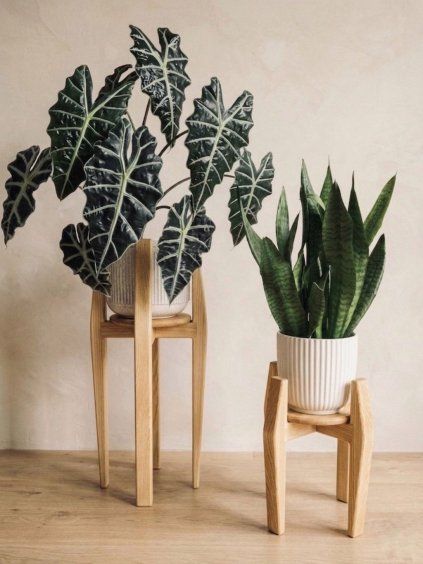
WoodenBotanery VERTIGO DUO 360° – Plant Stand Set (68 cm) Color: Light Oak, Size: up to 28 cm
View details
How to manage drafts, moving shock, and winter cold?
People often search for draft-tolerant houseplants or plants for cool rooms, but cold drafts can be lethal. Exposure to cold drafts, cold window glass in winter, and airing out rooms during winter severely damages plants. Results include soft, translucent freeze-damaged leaves and sudden winter leaf drop. Houseplants are also prone to relocation shock—a classic problem being why ficus drops leaves after moving home. As colder months approach, winter care for houseplants becomes essential: knowing the best winter temperature for houseplants and how to save plants from cold damage or autumn leaf yellowing.
In case of cold shock, trim off frozen, mushy, or blackened leaves and move the plant to a warmer room. Critical rule: never water a frost-shocked plant immediately—wait until the entire root ball warms up! If a ficus drops leaves after moving, keep its location stable. Give it a few undisturbed weeks in a bright spot to recover.
Never leave houseplants on window sills while airing out rooms in freezing winter weather. Choose proven low-maintenance houseplants for beginners that tolerate minor environmental fluctuations. If you have pets, check cat-safe houseplants beforehand and watch out for plants toxic to dogs. Elevating pots onto solid wooden plant stands prevents cold air drafts from cold floors and keeps plants safely out of reach of curious pets.