
4. Planters and Repotting: A New Home for Your Plant
-2.jpg)
Every plant eventually outgrows its home. Choosing the right pot and timely repotting are key to helping your houseplant thrive. However, this process comes with several pitfalls. Let's cover the most common repotting mistakes and uncover the secrets hidden inside plant pots.
When to repot houseplants and how to handle transplant shock?
Growers constantly search for when to repot houseplants and the exact signs a plant needs repotting. The answer becomes clear as soon as you realize a pot is rootbound—when roots stick out of the top soil or roots grow through drainage holes at the bottom. An extreme signal is a cracked pot from root pressure. Moving homes, however, causes plant stress. If you see wilted leaves after repotting, your plant is experiencing transplant shock. Many panic, thinking they're facing a dying plant after repotting.
The best time when to repot into a larger pot is during spring (at the start of the growing season). If your repotted plant is going through shock and wilting, don't panic and above all, do not overwater it! Place it in a bright spot out of direct sunlight and give it a few weeks to recover. Hold off on fertilizing until delicate feeder roots rebuild.
When handling the plant, disturb the root ball as little as possible to minimize transplant shock. The new pot size should only be 1 to 2 inches (2–3 cm) larger in diameter, otherwise a massive amount of unused wet soil can cause root rot.
How to repot a plant correctly and prepare potting mix?
When looking up how to repot a plant step by step, many technical questions arise. If you're deciding how to choose pot size, follow the 1-inch extra rule. People often wonder what houseplant soil mix to make and if a pot drainage layer like LECA clay pebbles or landscape fabric at the bottom of the pot is necessary. Many mistakes happen when over-cleaning roots from old soil, leading to damaged roots during repotting. Other challenges include dividing plant clumps or deciding whether repotting a flowering plant is safe.
Repot blooming houseplants only after flowering, otherwise they will drop buds. Be extremely gentle when untangling roots—you don't need to remove 100% of the old dirt. If roots get damaged during clump division, dust the cuts with ground cinnamon. A bottom drainage layer (LECA clay) is crucial, though weed barrier fabric isn't needed for standard indoor plants.
Prepare a well-aerated potting mix made chunky with added perlite. Bottom drainage ensures that even if you overwater, roots won't sit in stagnant water.
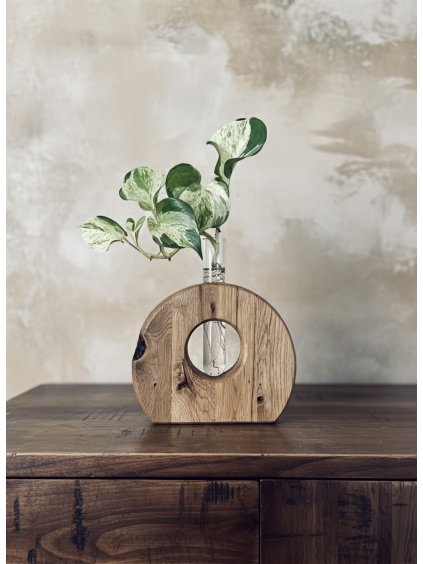
WoodenBotanery Oak Vase PORTAL
View details
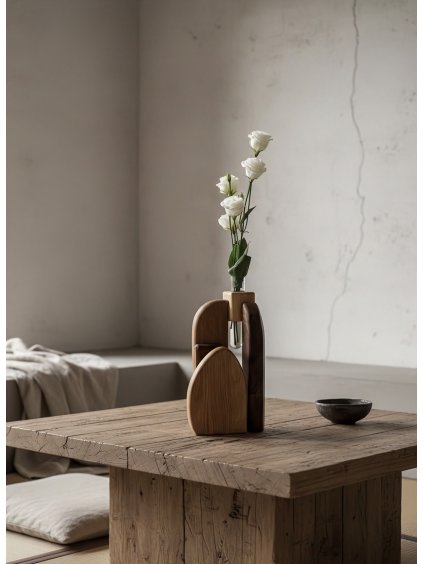
WoodenBotanery Vase EQUILIBRIUM Mixed Wood
View details

BotaneryLab™ ALCHEMY Designer Wooden Wall Propagation Station
View details

WoodenBotanery BotaneryLab™ PROPAGO: Hanging Wooden Plant Propagation Station
View details
Why does water smell bad and white crust or mold form on pots?
The absolute biggest plant killer is a pot without drainage holes. If you plant directly inside one, standing water collects at the bottom, leading to root rot and a foul pot odor (people often search why water smells bad in plant pots). Terracotta pots (clay) breathe and release minerals and moisture. That's why white crust on terracotta pots, white spots outside pots, or mold on clay pots can surprise you. Excessive moisture also causes green algae on plant pots or tiny jumping bugs—springtails in plant saucers. A unique issue is when a self-watering pot gets moldy and growers look up how to plant in self-watering pots properly.
If you're looking for how to clean old plant pots from mineral buildup and white stains, soak the pot in a solution of water and vinegar and scrub with a brush. Green algae means the pot gets direct sunlight alongside constant moisture—simply wash the pot and reduce watering. Springtails are harmless and disappear once you let the soil dry out. For self-watering planters, only add water to the reservoir once roots have established deeply enough.
Never plant houseplants directly into decorative outer pots! Always use a plastic nursery pot with drainage holes. This gives your plant a healthy home, allows excess water to drain away, and lets decorative planters breathe.