
3. Pests and Diseases: Fruit flies, spider mites, and thrips
-2.jpg)
Nothing terrifies a plant owner more than discovering unwanted life on a beloved houseplant. Pests can enter your home through open windows, on clothing, or hidden inside new potting soil from the store. But don't panic. Once you know what you're dealing with, plant rescue is fairly simple.
How to get rid of fungus gnats in plant soil?
You water your plant and suddenly tiny black flies in soil swarm out. These annoying pests are fungus gnats. The flying gnats themselves don't directly harm the plant, but they love moist soil where they lay eggs. These hatch into hungry white worms in soil (larvae) that feed on delicate roots, weakening your plant.
The most common question is how to get rid of fungus gnats quickly and effectively. Rescue works in two steps. Insert yellow sticky traps into all pots to catch adult flying gnats. To destroy larvae in the soil, temporarily stop watering from the top and let the potting mix dry out completely. Beneficial parasitic nematodes added to your watering can also work wonders.
Fungus gnats hate dry conditions. Switch to bottom-watering (filling the saucer) so the top layer of soil stays constantly dry. As a physical barrier to stop them laying eggs, you can cover the soil surface with a thin layer of sand or fine LECA (expanded clay).

WoodenBotanery Oak Wood Vase INFINITY
View details

WoodenBotanery Wall Plant Shelf UNDA Acacia - Milled
View details
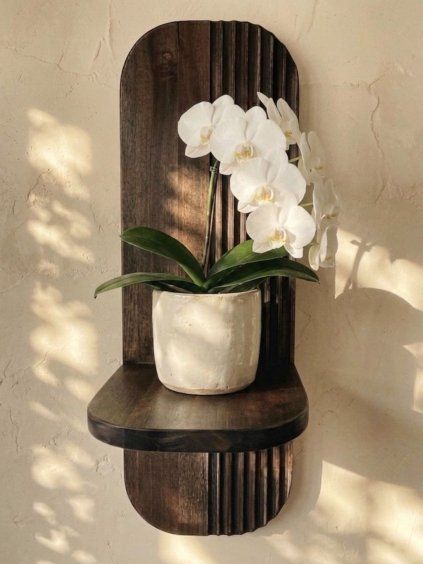
WoodenBotanery Wooden Plant Shelf BALANSE Acacia
View details

ESSENTIA – Wall-mounted Plant Stand made of Ash and Acacia
View details
What are white fuzz, webs, and thrips on plant leaves?
It might look like dust or dirt, but closer inspection reveals subtle movement. If you notice fine spider webs on plant leaves (especially in dry winter conditions), spider mites are attacking. If silvery or shiny patches with black dots appear on leaves alongside tiny, long black bugs underneath, your plant has thrips. Cottony white fluff in leaf axils or small white bugs on houseplants mean mealybugs. Hard brown bumps on stems that are tough to scrape off are scale insects. A common sign of mealybugs and scale is sticky sap on leaves (honeydew), which is their sweet excretion.
Quarantine is essential—isolate the infected plant immediately. Take it to the shower and rinse off as many houseplant pests as possible under lukewarm water (cover the pot with a bag to avoid washing bugs into the soil). Dab mealybugs and scale with a Q-tip dipped in rubbing alcohol. For thrips and spider mites, use a high-quality organic neem oil spray or a specialized thrips treatment. Repeat spraying every 5-7 days (at least 3 consecutive times) to destroy newly hatched generations. Always follow manufacturer instructions for specific chemical insecticides.
Regular inspection and wiping dust off leaves with a damp cloth cleans the plant while wiping out pest eggs before infestations spread. To make pest control and care convenient, place your prized houseplants at eye level. Our solid wooden plant stands and wall shelves elevate your plants so you can inspect every leaf and catch pests early.