
2. Growing Medium and Watering: Roots, Moisture, and Mold
-2.jpg)
What happens beneath the soil surface is just as vital to a plant's life as getting enough light. Roots are the invisible heart of your houseplant, and if they suffer, the whole plant begins to decline. Let's dig below the surface to address the biggest watering and potting soil challenges.
How to save an overwatered plant and soggy soil?
Most houseplants don't die from drought, but from overwatering with too much love. When water sits in the pot for longer than a few hours, it creates soggy soil that pushes all oxygen out of the dirt. Roots start suffocating, leading to root rot. Accompanying symptoms include soft stems and yellowing leaves, even though the plant has an abundance of water.
Many growers look for advice on how to dry wet plant soil quickly (for example, using paper towels or a hair dryer). However, if root rot has already set in, drying won't help and you need to take more radical action to save an overwatered plant. Remove the plant immediately, trim off mushy, rotted roots using disinfected shears, and repot it into fresh, drier, well-draining soil mixed with perlite.
Never plant directly into decorative pots without drainage holes. To prevent standing water and cold floors from affecting your plant, place the pot with a saucer onto an elevated design stand. Our handcrafted wooden plant stands not only elevate your indoor jungle's aesthetic, but also ensure perfect airflow underneath the pot.
What to do if houseplant soil smells bad and mold or mushrooms appear?
Excess moisture, heat, and poor ventilation are a paradise for unwanted organisms. If white mold on soil or common potting soil mold appears, it's usually a harmless surface layer caused by overwatering. Sometimes you might even be surprised by bright yellow mushrooms in soil (Leucocoprinus birnbaumii) or other small fungi growing in the pot. A true red flag, however, is foul-smelling soil. If the substrate smells musty or rotten, anaerobic (oxygen-starved) processes are taking place, killing the roots.
If the issue is just surface mold or mushrooms, scrape off the top inch (2-3 cm) of soil, discard it, and sprinkle ground cinnamon over the surface (it acts as a natural fungicide). However, if the soil smells strongly rotten, don't wait—completely repot the plant and thoroughly rinse the roots under lukewarm water.
Start bottom-watering your houseplants (filling the saucer/tray), which keeps the top layer of soil dry so mold and mushrooms won't have a chance to survive. Ensure better room ventilation as well.
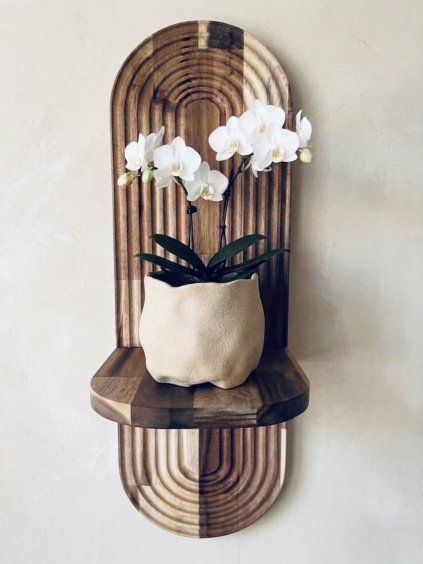
WoodenBotanery Wall-mounted Plant Stand ARCUS Acacia - Arch
View details
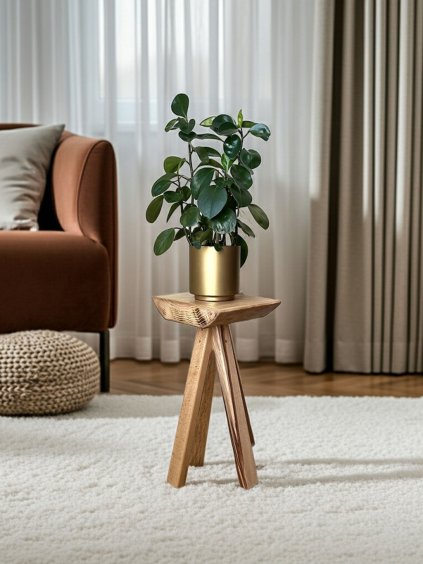
WoodenBotanery Plant Table CASTOR Ash-Beech
View details

WoodenBotanery MONOLITH Designer Solid Walnut Table
View details
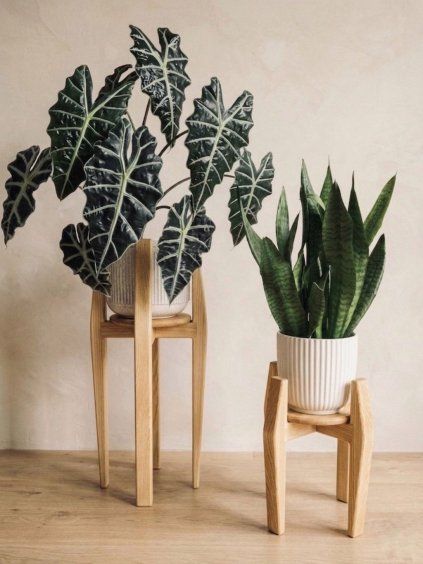
WoodenBotanery VERTIGO DUO 360° – Plant Stand Set (68 cm) Color: Light Oak, Size: up to 28 cm
View details
How to fix hard, compacted soil and white mineral deposits?
Cheap peat-based soil mixes compact over time, turning into hard, rock-like soil. When you water it, moisture fails to absorb into the soil and instead runs straight down the sides. Often, hydrophobic soil won't absorb water at all, or on the flip side, the soil never dries out because it's heavy and dense. Another issue is white crust on plant soil. This isn't mold, but mineral buildup on soil from hard tap water and fertilizer salts.
If you notice a hardened crust of mineral deposits, scoop away the top layer with a spoon and top it off with fresh potting soil. If your compacted soil is hard as a rock, poke small holes with a wooden skewer and soak the plant in a water bath so it can absorb moisture slowly from the bottom. If you're wondering when to repot houseplants, the answer is: as soon as you see old, compacted, nutrient-depleted soil that no longer feeds the plant.
Always use tap water left out for at least 24 hours or filtered water to avoid salt buildup. When repotting, mix perlite, pine bark, or LECA into your potting mix—this ensures the soil retains an airy structure for years and roots can breathe freely.