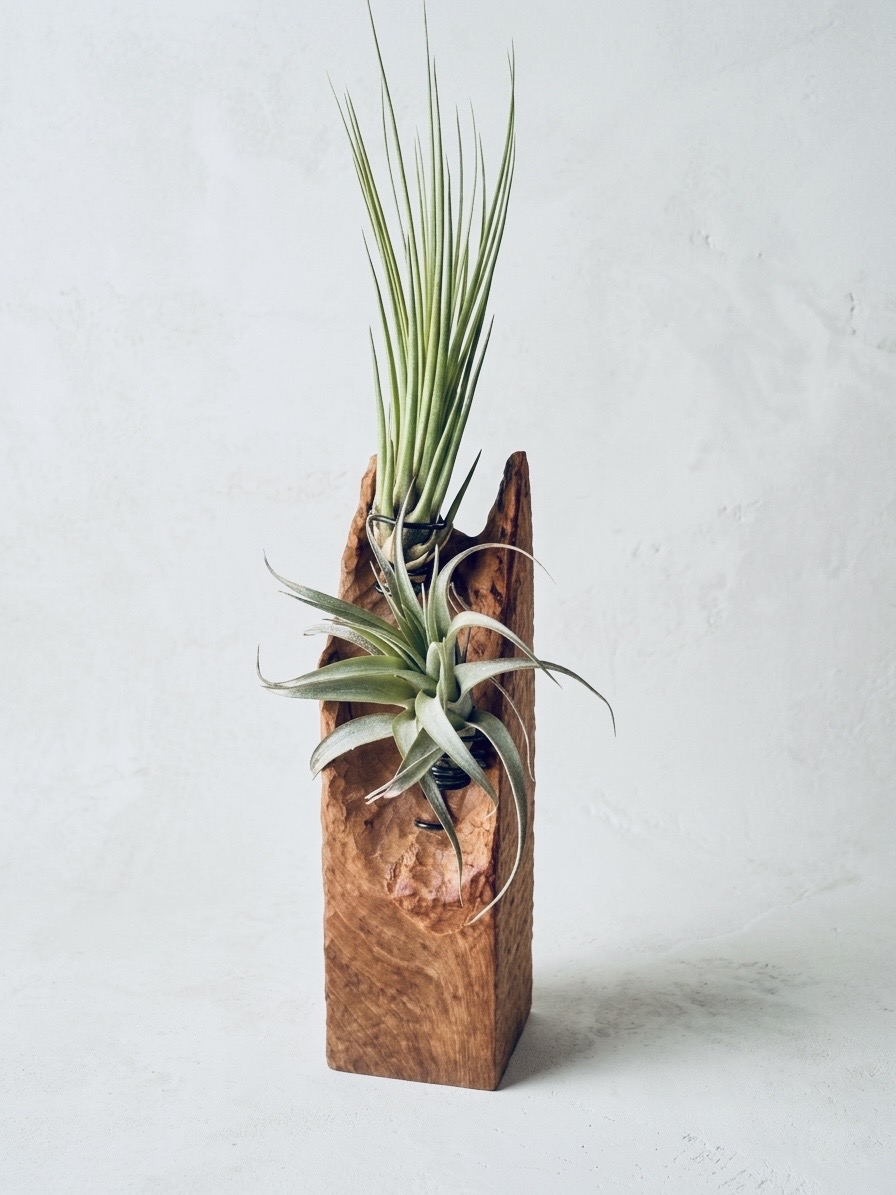
How to water air plants? Proper routine and common mistakes
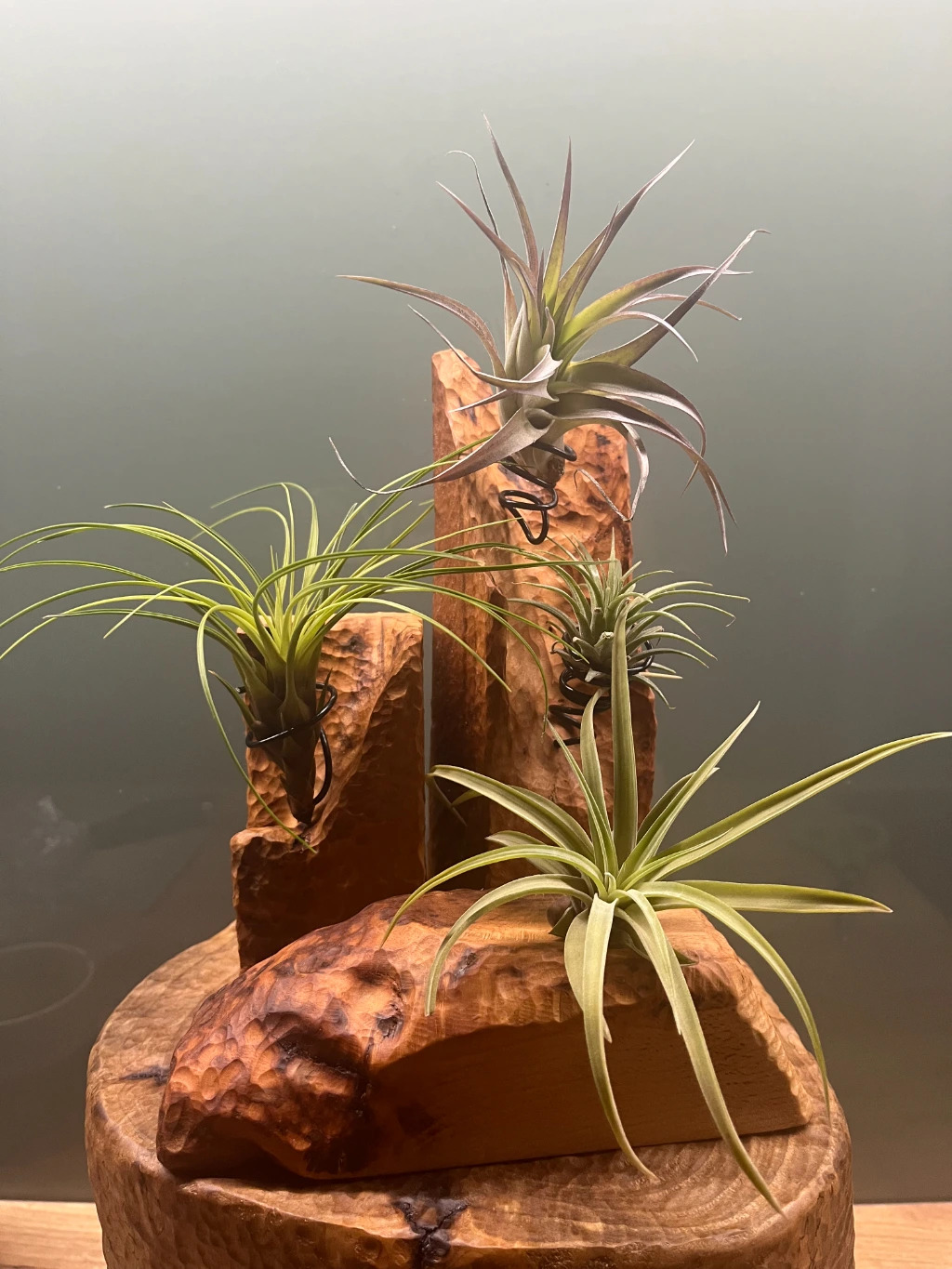
How to Water Tillandsias?
One of the most common questions among growers is how to properly water Tillandsias (air plants). Since these are plants without soil, traditional watering in a pot is out of the question. Tillandsias absorb water through their leaves, which is why they require a slightly different approach.
The good news is that once you learn the basic rules, caring for them is very simple.
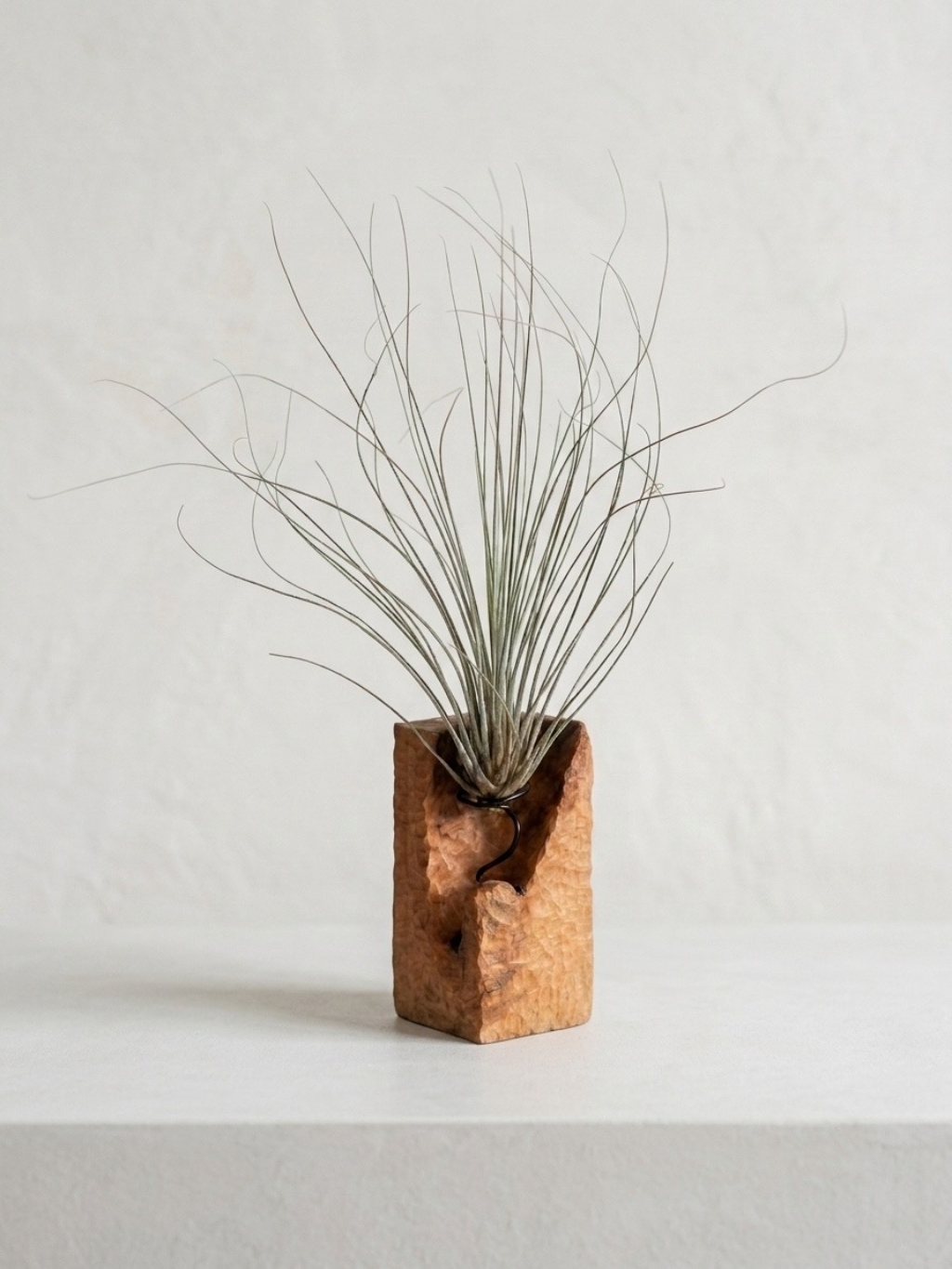
How Do They Absorb Water?
On the surface of their leaves, there are small scales called trichomes. These act as miniature reservoirs for water and nutrients. In nature, they capture: rainwater, morning dew, air humidity, nutrients dissolved in water. Therefore, it is necessary to simulate similar conditions at home.
Soaking Tillandsias
The most effective method is soaking.
How to Do It?
1. Fill a bowl or container with water.
2. Submerge the plant completely underwater.
3. Leave it in the water for 10 to 30 minutes.
4. Remove it and gently shake off excess water.
5. Place it upside down on a towel. Allow excess water to drain completely from the Tillandsia.
This prevents water from accumulating between the leaves.
How Often to Soak Tillandsias?
- Spring and summer every 5 to 7 days,
- Autumn every 7 to 10 days,
- Winter every 10 to 14 days. The frequency always depends on indoor conditions.
Misting Tillandsias
Misting complements soaking and helps maintain optimal humidity. It is recommended 2–3 times a week, and daily during hot summer days. The best time for misting is morning and forenoon. Avoid misting in the evening when the plant doesn't have time to dry.
What Water to Use?
The best choices are: Rainwater - the most natural option, Filtered water - removes excess minerals, Settled tap water - let tap water sit for at least 24 hours.
Hard Water and Limescale
Hard water can cause: white spots, clogging of trichomes, impaired water absorption. If you have very hard water, consider filtering it.
How to Recognize Underwatering?
Typical symptoms: curling leaves, brown tips, stunted growth, dull appearance.
How to Recognize Overwatering?
Too much water is often an even bigger problem. Symptoms: soft leaves, black spots, rot at the base, unpleasant odor.
Most Common Mistakes
- Leaving the plant wet for too long - the most common cause of plant loss.
- Watering only by misting - in dry air, this is often not enough.
- Using closed containers - without air circulation, the risk of rot increases.
Conclusion
Proper watering is the foundation of successful Tillandsia care. A combination of regular soaking, occasional misting, and thorough drying will ensure your plants remain healthy and vibrant for many years.
Read also:
- What are air plants? A complete guide to Tillandsias
- How to care for air plants? Complete beginner's guide
- Most beautiful air plant species and their characteristics
- Where to place air plants? Ideal spots for home and office
- How to display air plants? 10 creative decor ideas
- How to water air plants? Proper routine and common mistakes
- Why is my air plant drying out or rotting?
- Air plant blooming and propagation guide
- Air plants as modern interior decor
- Air plants for beginners – 10 reasons why you'll love them
- Are air plants safe for cats and dogs?
- Most frequently asked questions about air plants (FAQ)
- Air plants as an original gift – why every plant lover will adore them
- How to fertilize air plants and boost growth
- Air plants in the bathroom – yes or no?
- Why air plants are perfect for modern interiors