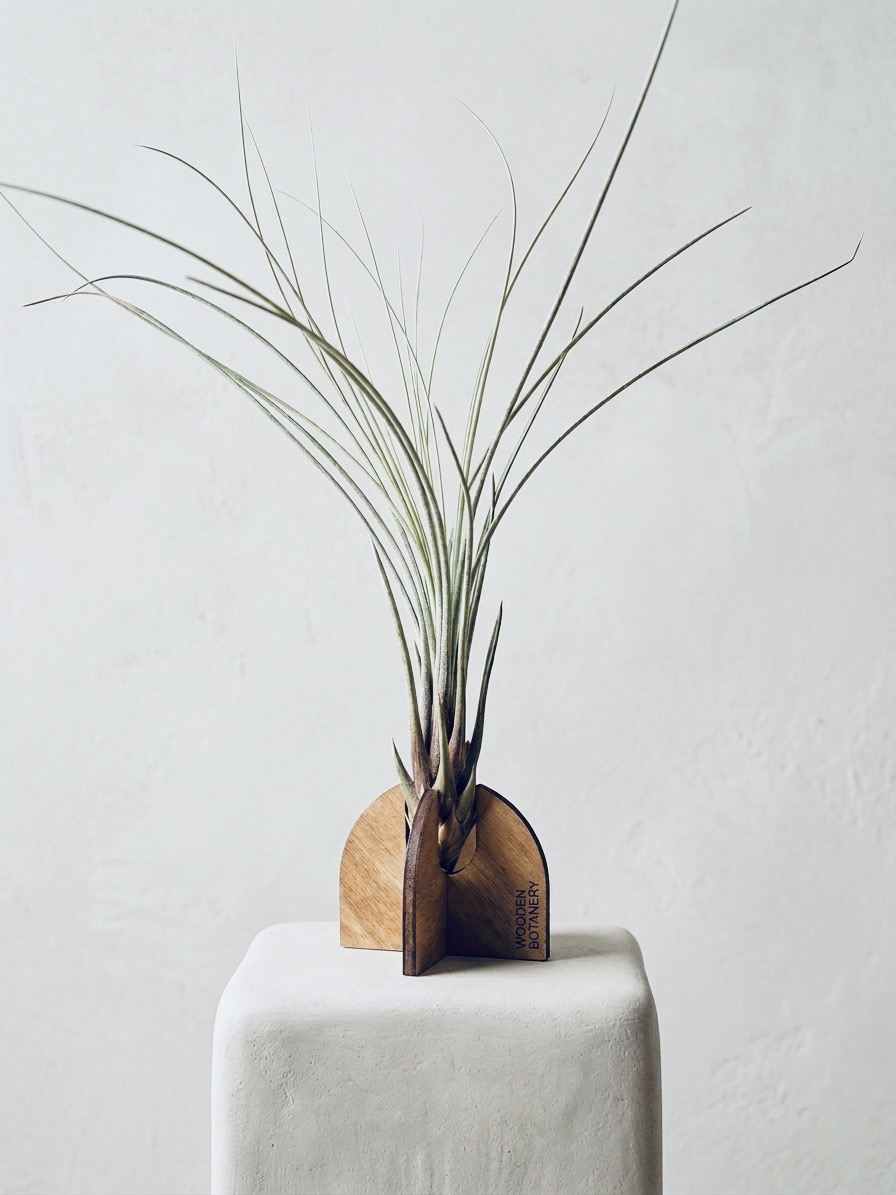
How to care for air plants? Complete beginner's guide
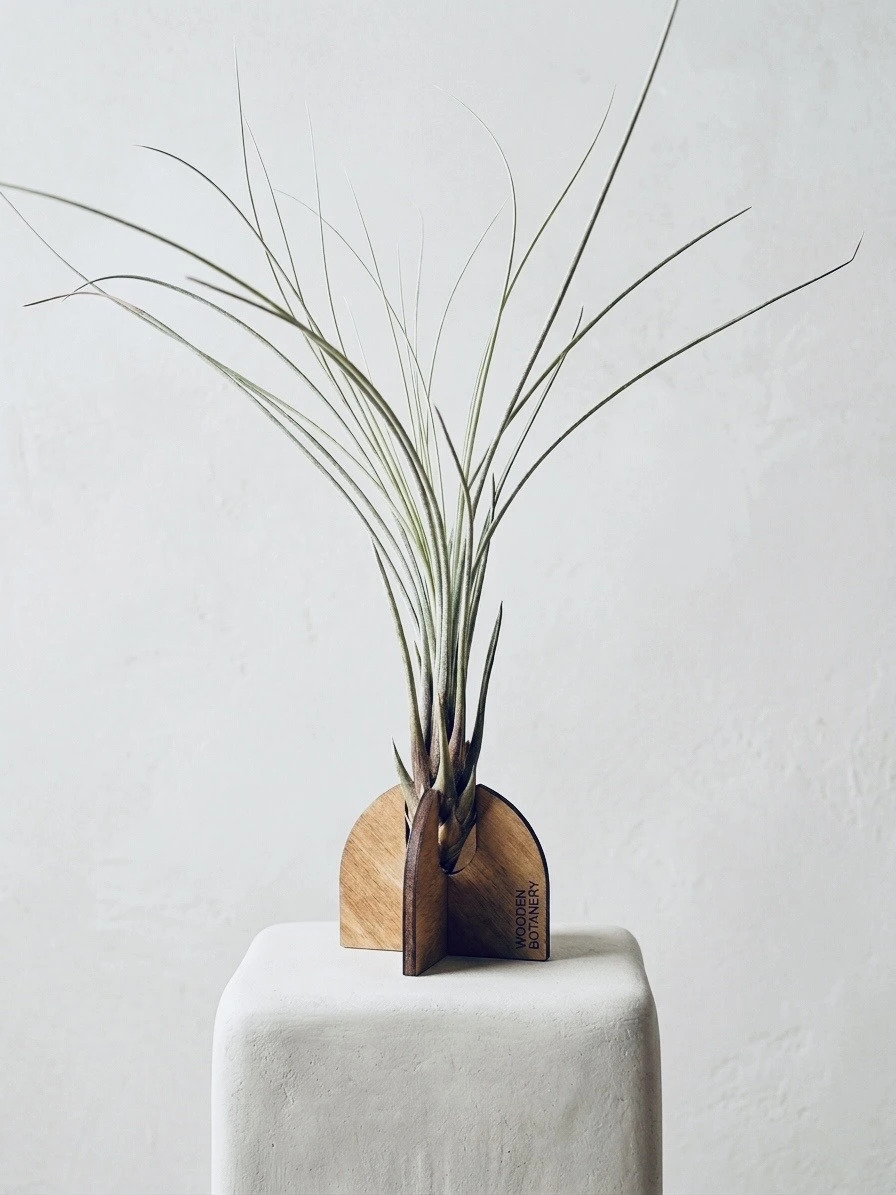
How to Care for Tillandsias?
Tillandsias (air plants) are among the easiest houseplants to grow. Even though they don't need soil, they require a few basic conditions to thrive. The good news is that once you understand their natural needs, caring for Tillandsias takes only a few minutes a week.
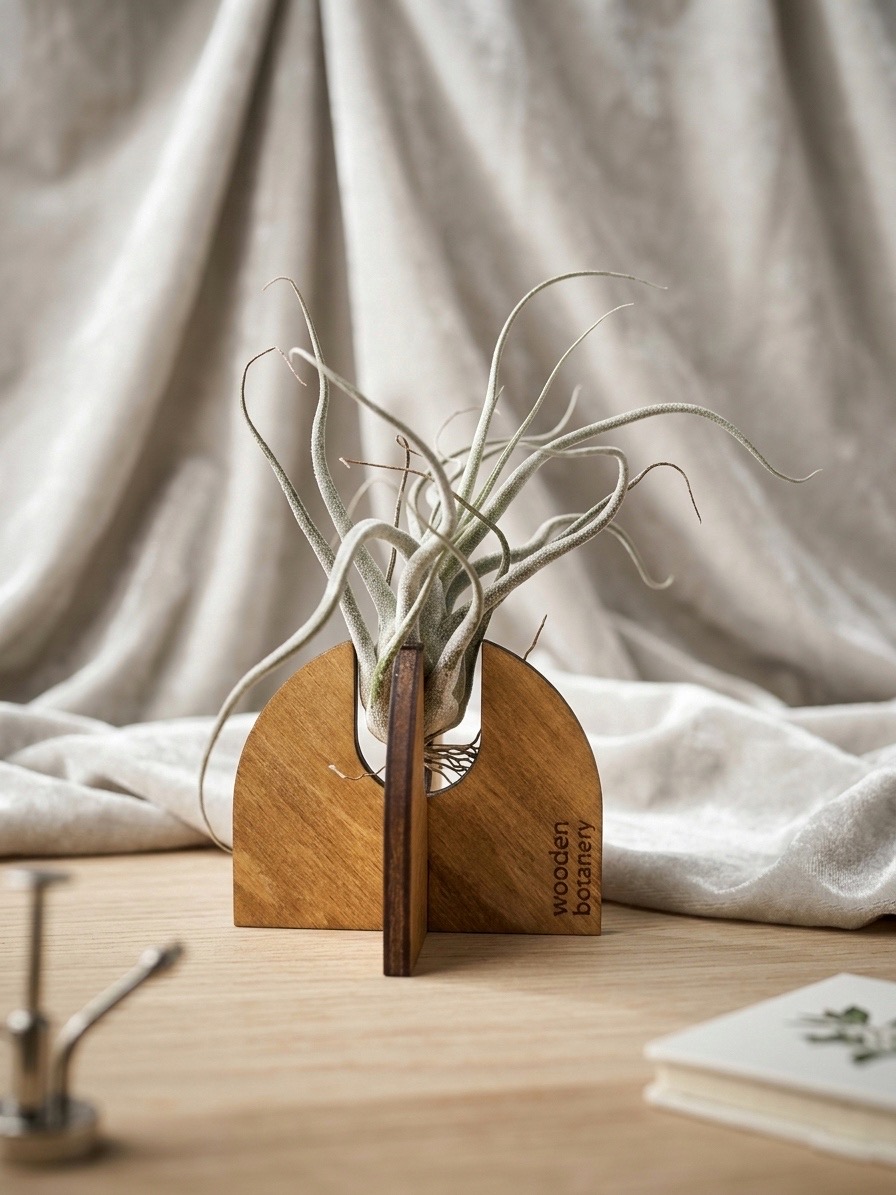
Light Is the Key to Success
One of the most common mistakes in growing air plants is lack of light.
Tillandsias love: bright indirect light, bright rooms, proximity to windows.
They thrive best near: east-facing windows, west-facing windows, bright south-facing rooms without direct midday sun.
Direct Sunlight
Some silvery species can handle more sunlight, but most Tillandsias can suffer leaf burn if exposed to intense summer sun for extended periods.
How Often to Water Tillandsias?
The most common question from growers is: "How often should I water Tillandsias?"
The answer depends on: temperature, air humidity, amount of light, Tillandsia species.
Standard Routine
For most of the year, it is enough to: soak once a week, mist 2–3 times a week.
Hot Summer
During summer months, you may need to: mist every day, soak every 5–7 days.
WoodenBotanery Air Plant Stand CUBE X Ash
View details
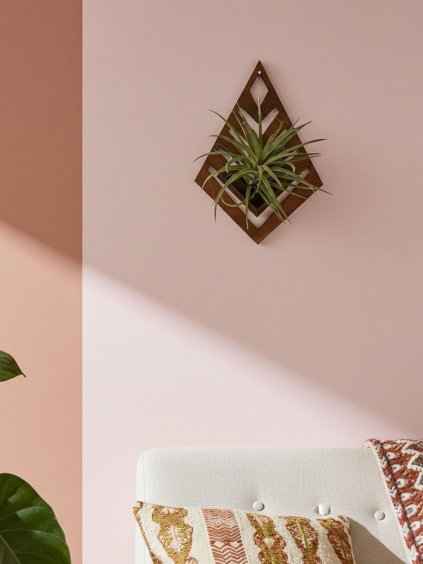
WoodenBotanery Wall Air Plant Holder DIAMOND - Dark Brown
View details
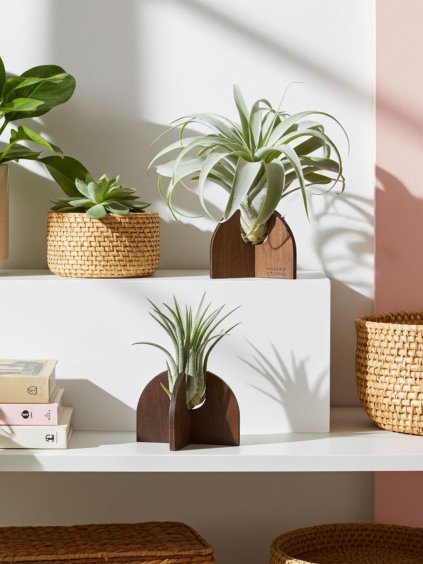
WoodenBotanery Air Plant Holder GEO - Dark Brown Size: M, Motif: Hexagon
View details
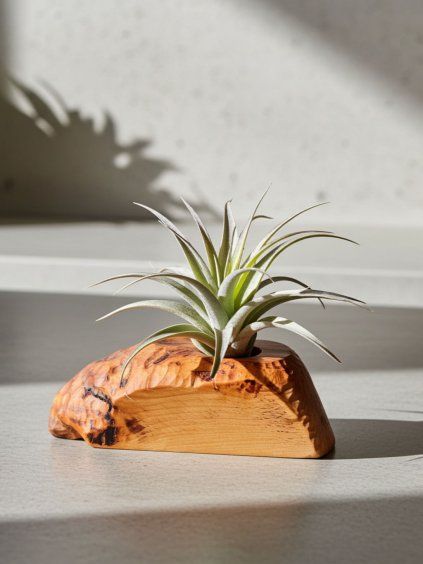
WoodenBotanery CANOE Air Plant Holder – Solid Beech
View details
Winter
In winter, it is usually enough to: soak every 10–14 days, mist lightly as needed.
How to Properly Soak Tillandsias?
The most effective hydration method is soaking. Rainwater is ideal. If unavailable, use well-settled tap water.
Steps:
- Fill a container with settled water.
- Submerge the plant for 10–30 minutes.
- Remove it from the water.
- Gently shake off excess water.
- Place it upside down on a towel.
It is important that the plant dries completely within a few hours after soaking – ideally upside down.
What Water to Use?
The best options are: rainwater, filtered water, settled chlorine-free water.
Very hard tap water is unsuitable as it can damage the leaf surface over time.
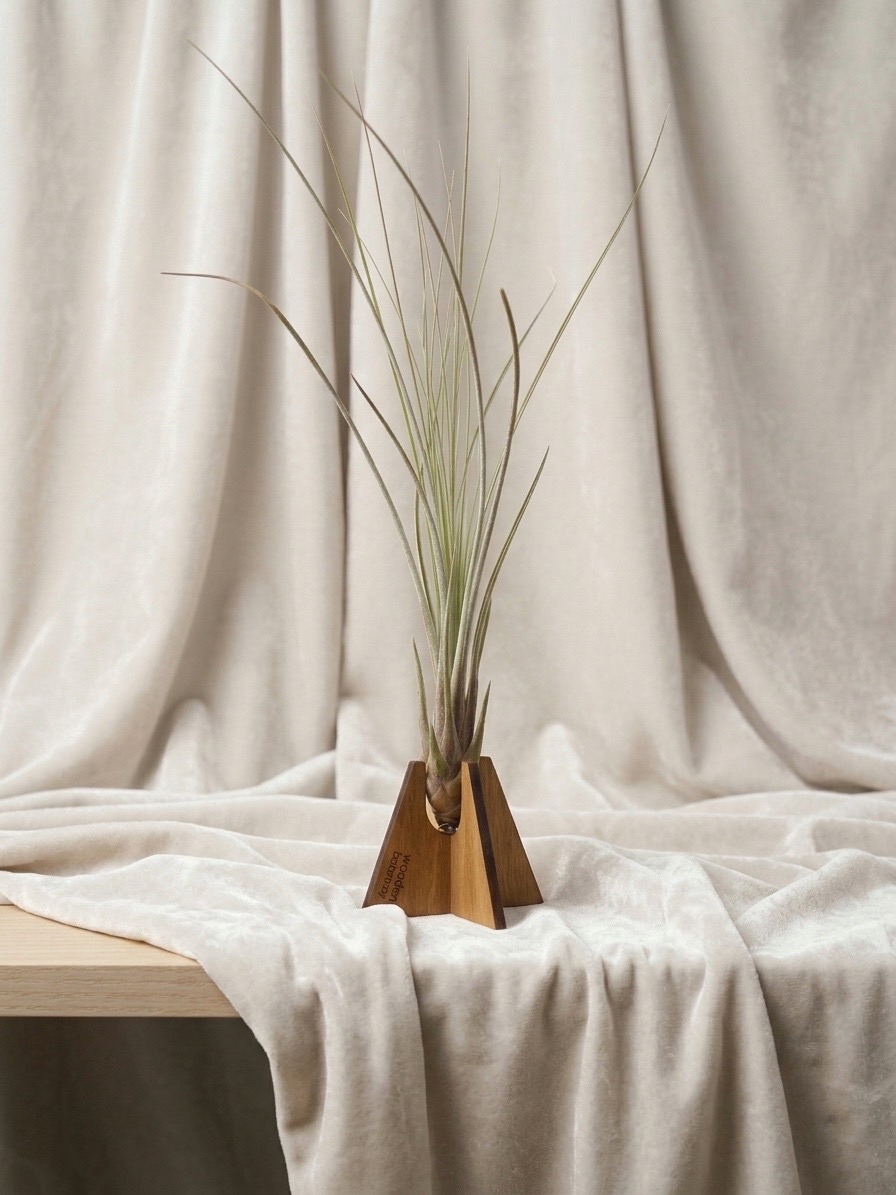
Do Tillandsias Need Fertilizer?
Yes, but only minimally. During the growing season, you can apply once a month: bromeliad fertilizer, specialized Tillandsia fertilizer. Over-fertilizing can harm the plant.
Air Humidity
Tillandsias love higher humidity levels. Ideal conditions: 50–70% air humidity.
Therefore, they often thrive in: bathrooms, sunrooms, bright kitchens.
Most Common Growing Mistakes
- Too little light - the plant stops growing and loses vitality.
- Excessive moisture - can lead to rot.
- Insufficient drying after soaking - trapped water between leaves is the most common cause of plant rot.
- Placing in a closed container - Tillandsias require air circulation.
How to Recognize a Healthy Tillandsia?
A healthy plant has: firm leaves, natural coloration, active growth, new pups. If leaves begin to curl or dry at the tips, it often indicates underwatering.
Conclusion
Caring for Tillandsias is not complicated. They need sufficient light, regular hydration, and good air circulation. If you avoid overwatering and provide them with suitable conditions, they will bring you joy for many years.
Read also:
- What are air plants? A complete guide to Tillandsias
- How to care for air plants? Complete beginner's guide
- Most beautiful air plant species and their characteristics
- Where to place air plants? Ideal spots for home and office
- How to display air plants? 10 creative decor ideas
- How to water air plants? Proper routine and common mistakes
- Why is my air plant drying out or rotting?
- Air plant blooming and propagation guide
- Air plants as modern interior decor
- Air plants for beginners – 10 reasons why you'll love them
- Are air plants safe for cats and dogs?
- Most frequently asked questions about air plants (FAQ)
- Air plants as an original gift – why every plant lover will adore them
- How to fertilize air plants and boost growth
- Air plants in the bathroom – yes or no?
- Why air plants are perfect for modern interiors