
How to Save an Overwatered Plant Before It's Too Late
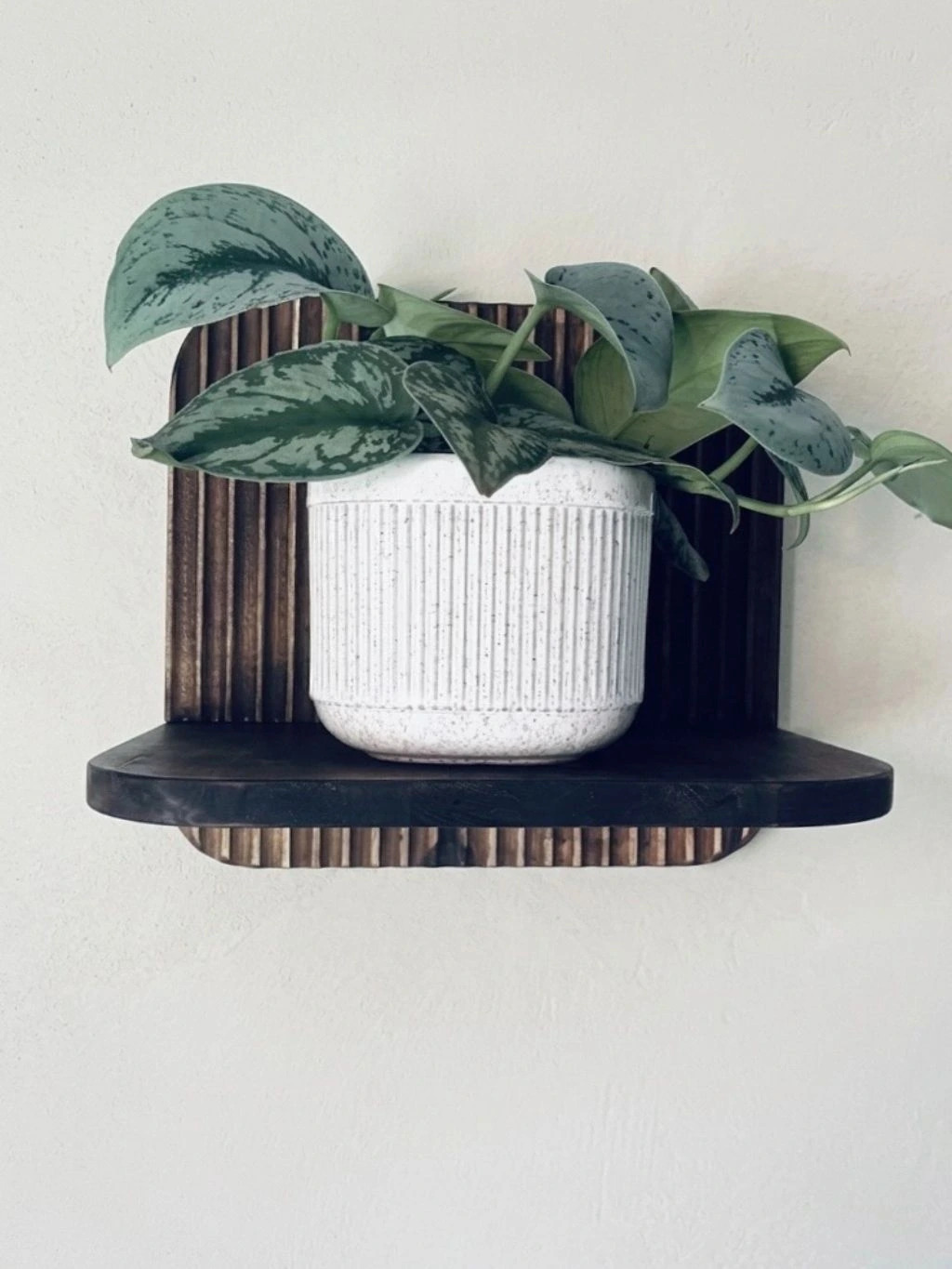
An overwatered plant is one of the most common issues houseplant lovers encounter. Many growers believe that more water means better care, but the opposite is often true. Overwatering can lead to root rot, yellowing leaves, and in the worst-case scenario, complete plant loss.
The good news? If you act in time, you can save an overwatered plant. In this article, we’ll show you how to spot the first signs of overwatering, what to do immediately, and how to prevent the problem from happening again.
The Most Common Mistake Growers Make
The biggest mistake in houseplant care is watering too frequently. Plants don't need water according to a calendar schedule, but based on the current state of the soil and environment.
Many plant parents water:
- preventatively,
- "just in case,"
- or always on the same day without checking the soil.
However, every plant consumes water differently. It depends on:
- pot size,
- soil type,
- amount of light,
- season,
- and room humidity.
That is why it's crucial to learn how to read your plant's signals instead of blindly following a schedule.
How to Identify Overwatering
An overwatered plant sends several warning signs. The earlier you catch them, the higher the chance of saving it.
Most common symptoms:
- yellowing leaves,
- soft or drooping leaves,
- soggy soil days after watering,
- a musty odor from the dirt,
- stunted growth,
- white mold on the soil surface.
It's important to know that overwatering symptoms can mimic underwatering. The difference lies in the soil — with overwatering, it stays continuously wet.
Signs of Root Rot
If overwatering isn't addressed quickly, root rot can develop. This occurs when roots begin to die due to lack of oxygen.
Typical signs:
- dark or black roots,
- mushy and slimy roots,
- unpleasant, rotting smell,
- wilting plant despite wet soil,
- dying new shoots.
Healthy roots are firm and light in color. If roots are dark and mushy, your plant needs immediate emergency care.

WoodenBotanery Walnut Wood Vase POLIENKO
View details
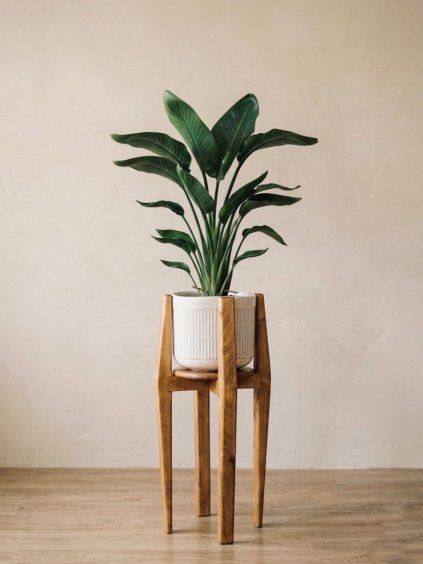
WoodenBotanery VERTIGO MAX 360° – Rotating Wooden Plant Stand (68 cm) Color: Light Walnut, Size: up to 22 cm
View details

ESSENTIA – Wall-mounted Plant Stand made of Ash and Acacia
View details
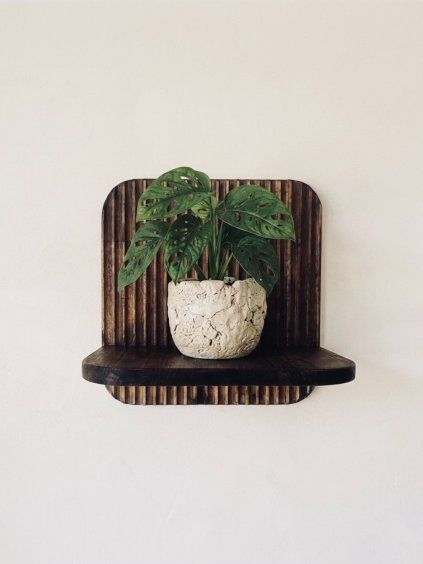
WoodenBotanery Wall Plant Shelf UNDA MINIMA
View details
Immediate Action Plan
If you realize your plant is overwatered, act as soon as possible:
- Stop watering immediately.
- Move the plant to a bright, well-ventilated location.
- Check the drainage holes at the bottom of the pot.
- Empty excess standing water from the outer pot or saucer.
- Let the soil dry out partially.
- However, if you notice the potting mix is completely waterlogged and roots are dark and mushy, unpot the plant right away -> it's time for a rescue operation.
Never try to fix the problem by applying fertilizer. This will only burn and further damage weakened roots.
When to Repot the Plant
Repotting becomes necessary when:
- the soil stays wet for too long,
- a foul smell develops,
- the plant continues to decline,
- or roots begin to rot.
When repotting:
- gently remove the old wet soil,
- prune damaged roots and let the cuts callus/dry (important! - so you don't repot a plant with open wounds),
- use a clean pot with proper drainage,
- and repot into a chunky, well-aerated soil mix.
Hold off on watering for several days after repotting.
How to Save the Roots
Root rescue is crucial when dealing with an overwatered houseplant.
Step-by-step:
- remove the plant from its pot,
- rinse roots with lukewarm water,
- trim away all soft, dark, or mushy sections,
- let the roots air-dry briefly,
- repot into fresh potting mix.
Use disinfected shears or pruning knives to prevent spreading bacteria and fungal spores.
Which Soil Mix to Use
The right soil blend significantly reduces the risk of overwatering. An ideal mix is airy, chunky, and well-draining.
A proven combination for houseplants includes:
- high-quality potting soil,
- perlite,
- coco coir / husk,
- pine bark,
- or pumice.
Heavy, compacted soil holds too much water, creating the perfect environment for root rot.
The WoodenBotanery brand recommends choosing a mix tailored to your specific plant — monsteras, succulents, and orchids all require very different potting substrates.
How to Prevent Overwatering in the Future
Prevention is always easier than plant rescue.
Helpful tips:
- check the soil moisture with your finger before watering,
- use pots with drainage holes and saucers,
- use a well-aerated chunky soil mix,
- water less frequently in winter,
- choose the right pot size,
- ensure adequate light.
A good rule of thumb is to water only when the top 1 to 2 inches (2–4 cm) of soil have dried out.
FAQ
Can a completely overwatered plant be saved?
Yes, as long as some healthy roots remain. The sooner you remove the waterlogged soil and rotted roots, the higher the chance of recovery. Many houseplants can regenerate even after significant damage. Even if the root system is completely K.O., don't lose hope! For most houseplants, you can take a stem cutting above the rot (make sure for plants with nodes that the cut includes a healthy node - let the cutting callus and root it fresh in water or perlite). Check out our propagation guide! :)
How long does potting soil take to dry out?
It depends on:
- plant type,
- pot size,
- light levels,
- ambient temperature,
- and soil composition.
Typically, soil can take anywhere from a few days up to 2 weeks to dry out. In winter, soil dries significantly slower than in summer.
Conclusion
An overwatered houseplant doesn't have to mean the end. If you catch the signs early and take action, your plant can make a full recovery. Most importantly, remember that healthy plant care isn't about the amount of water, but about balance.
Proper soil, adequate drainage, and attentive observation will help you avoid common mistakes and keep your houseplants strong and healthy.
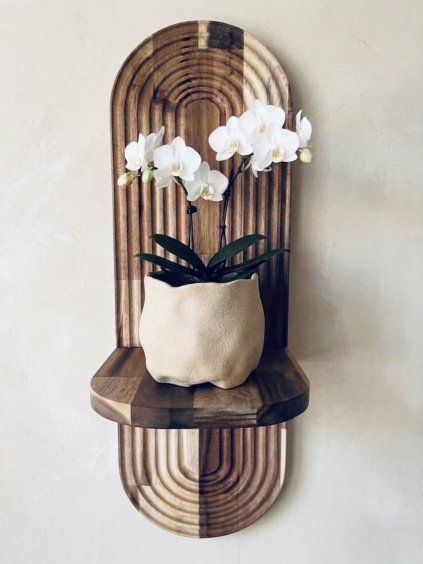
WoodenBotanery Wall-mounted Plant Stand ARCUS Acacia - Arch
View details
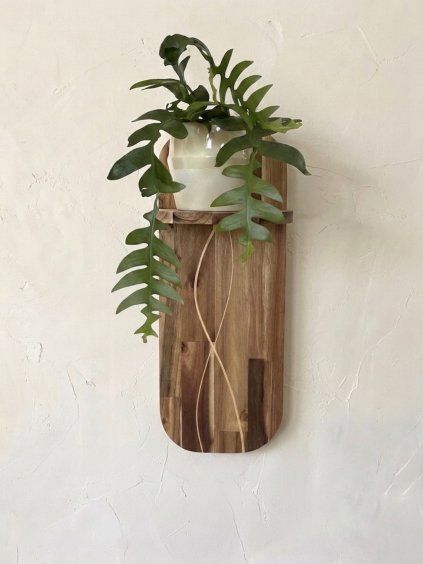
WoodenBotanery Wall-mounted Pot Holder CIRRUS Acacia - Wavy
View details
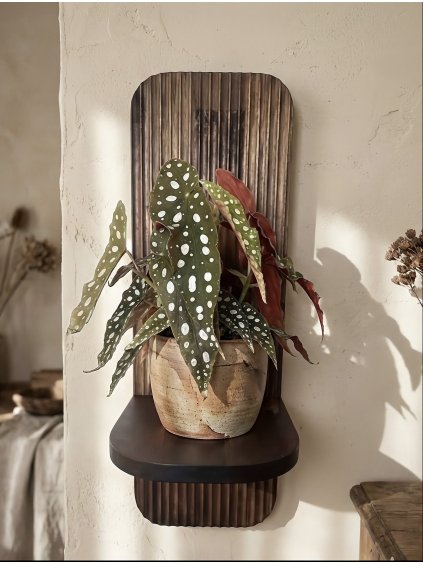
WoodenBotanery Wall Plant Holder UNDA Acacia - Milled
View details
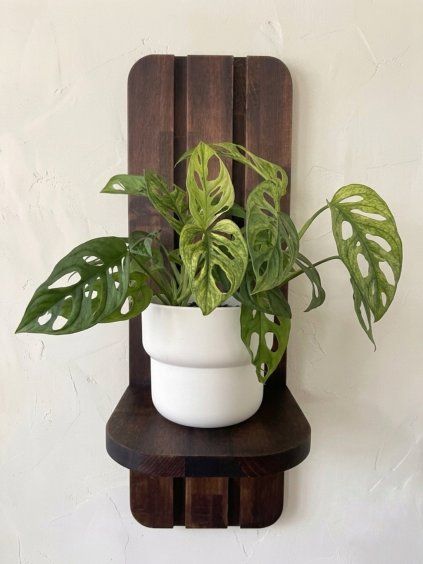
WoodenBotanery Wall Plant Stand LAMELLA Beech - Dark
View details