
How to Choose the Right Plant Pot
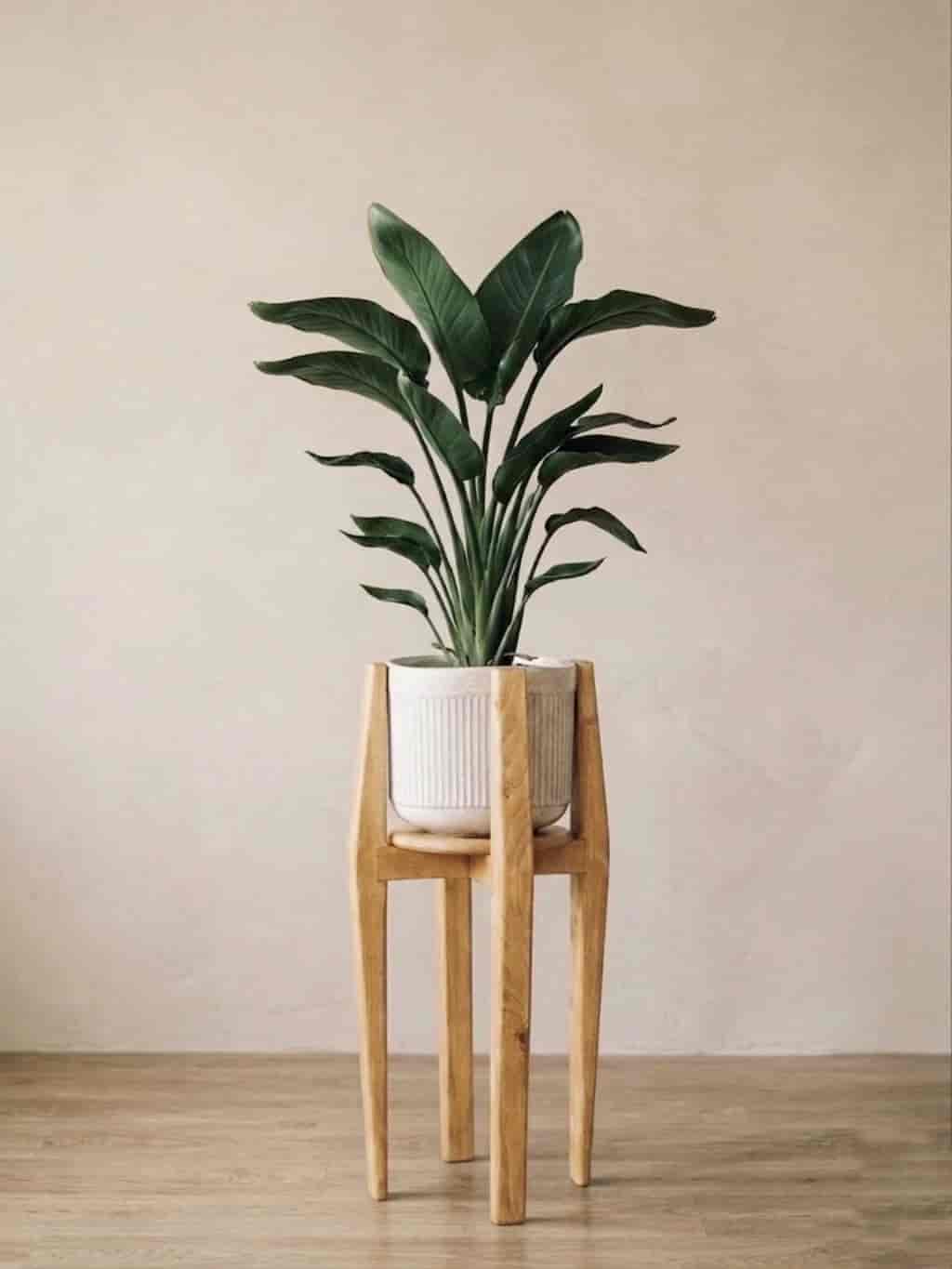
Choosing the right plant pot is one of the most important aspects of growing indoor plants. It is not just about design – the pot directly affects root growth, water retention, and the overall health of the plant.
In this guide by WoodenBotanery, we will go over how to properly choose a planter based on size, material, and plant type.
Why choosing the right pot is so important
A plant pot is not just a container. It is the environment where the roots live. It is ideal to grow plants in a plastic pot (transparent or opaque nursery pot with drainage holes). If you also desire a decorative planter or cover pot - you need to make sure to place the plastic pot with drainage holes into a larger decorative pot where air can circulate.
It influences:
- the growth of the root system,
- the amount of water retained,
- the risk of overwatering or underwatering,
- the stability of the plant,
- overall growth and vitality.
A poor choice of pot often leads to problems that people mistakenly attribute to "bad watering".
How to choose the right pot size
The most common mistake is choosing the wrong size.
The basic rule:
A new pot should be about 2 cm larger in diameter than the original one.
Why not larger?
A pot that is too large:
- retains too much water,
- slows down the drying of the potting mix,
- increases the risk of root rot,
- causes the plant to focus more energy on root growth instead of leaves.
When to repot a plant?
- roots are growing out of the drainage holes,
- the plant stops growing,
- water runs straight through without absorbing,
- the potting mix dries out extremely quickly.
How to choose the right pot according to the plant
Different plants have different needs:
- tropical plants (e.g., Monstera, Pothos) → a stable pot with drainage,
- succulents and cacti → a smaller, breathable pot,
- fast-growing plants → a slightly deeper and more stable pot.
It is important that the planter supports natural root growth and does not restrict it.
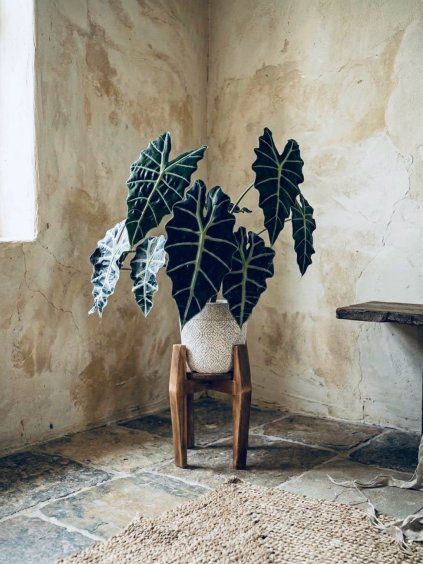
WoodenBotanery Rotating Plant Stand VERTIGO 360 Spruce Color: Light walnut, Size: up to 22 cm
View details
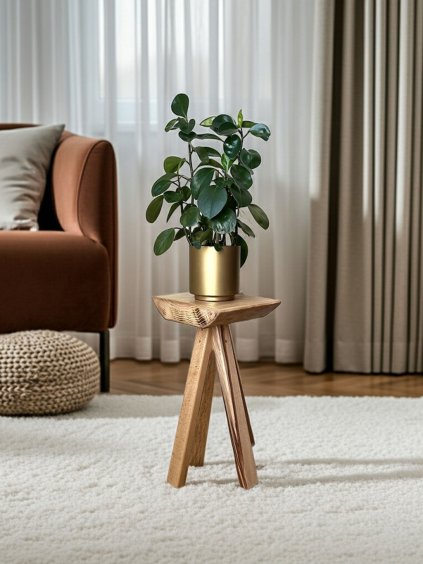
WoodenBotanery CASTOR Flower Table Ash-Beech
View details
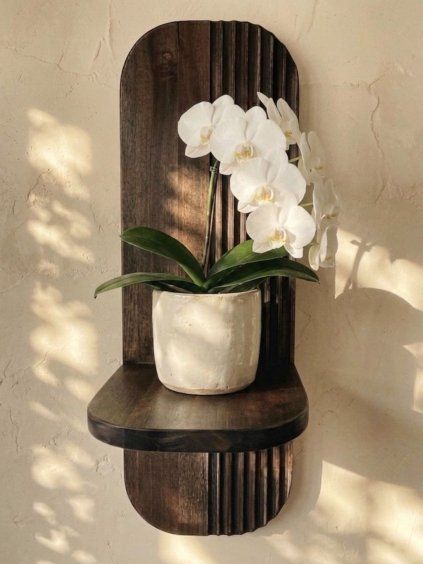
WoodenBotanery BALANSE Acacia Wooden Shelf
View details
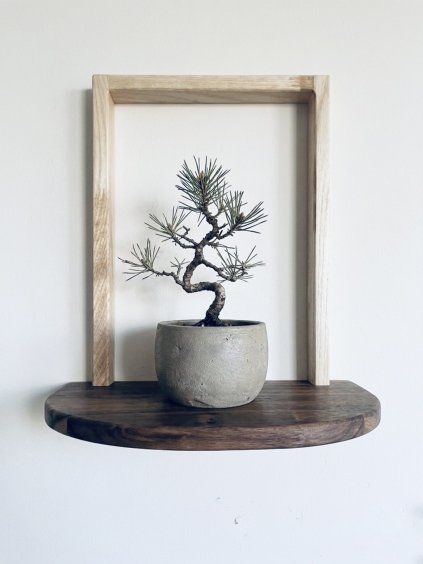
ESSENTIA II – Wall-mounted plant stand made of ash and acacia | Woodenbotanery
View details
Plastic pot vs. decorative planter
This is one of the most common dilemmas when choosing.
Plastic nursery pot
Pros:
- lightweight,
- inexpensive,
- retains moisture excellently,
- ideal for repotting and monitoring root health in the case of clear plastic.
Cons:
- less aesthetic,
- less stable for large plants.
Decorative cover pot
Pros:
- beautiful interior design element,
- stable and sturdy,
- available in various materials.
Cons:
- often lacks drainage,
- heavier,
- more expensive.
The best solution
A combination:
- a plastic nursery pot as the inner container,
- a decorative planter as the outer cover.
This solution combines functionality and aesthetics without compromise - just make sure the decorative pot is not too tight - the plastic pot inside the decorative cover needs airflow.
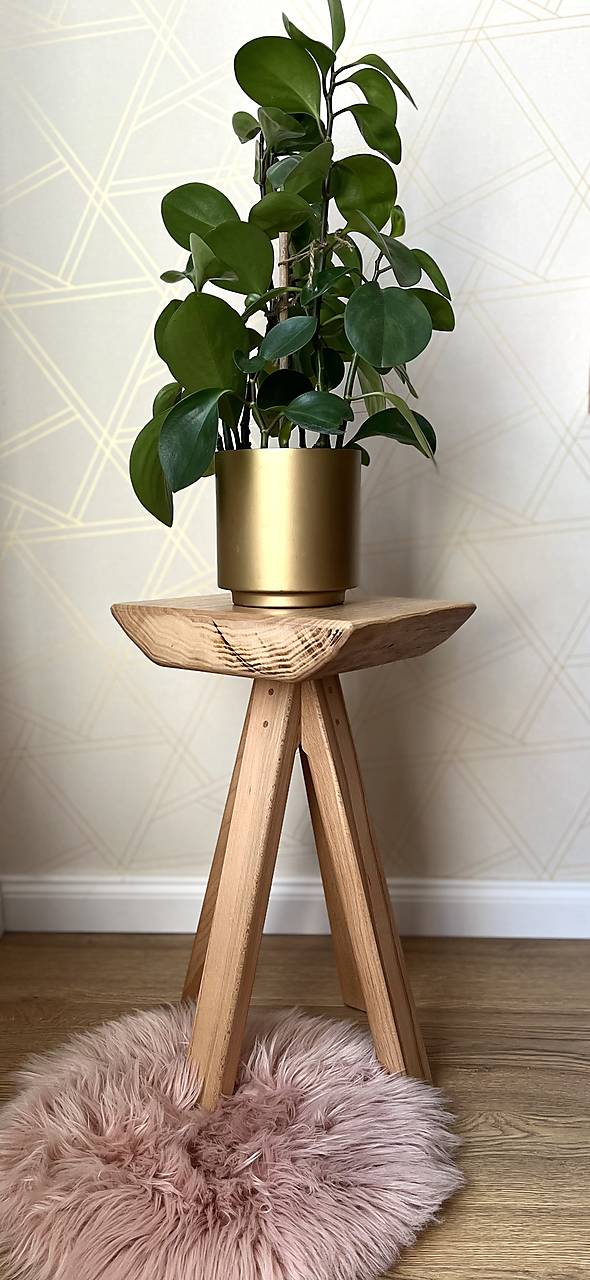
Drainage – the deciding detail
The right plant pot should have drainage holes.
Without them:
- water accumulates at the bottom,
- roots do not get oxygen,
- root rot occurs.
If you have a decorative planter without holes, always use an inner plastic nursery pot.
Most common mistakes when choosing a pot
- choosing based solely on appearance,
- choosing a pot that is too large "for the future",
- missing drainage,
- ignoring the needs of the specific plant.
The best plant pot is not the most beautiful or the largest one, but the one that creates the right conditions for the root system.
Conclusion
If you want healthy and beautiful plants, start from the basics – with the right planter. Size, material, and drainage together determine how well the plant will thrive. Choosing the right plant pot is easy when you know what to focus on.