
The Most Common Mistakes When Growing a Monstera (and How to Avoid Them)
-1-2.jpg)
Monstera is one of the most iconic houseplants of today. If you already have one at home or are considering getting one, you've probably wondered: how to grow a monstera so that it develops large, healthy, and beautifully split leaves?
In this article, we at WoodenBotanery will look at the most common mistakes that hinder its growth and show you how to easily avoid them.
Why Monstera is One of the Most Popular Houseplants
Monstera is a favorite mainly because:
- it grows quickly indoors,
- it features striking decorative leaves with signature fenestrations (holes),
- it is relatively low-maintenance,
- it can transform any plain interior into an urban jungle sanctuary.
That's why it is often the first choice for people learning how to care for a monstera.
Mistake 1 — Overwatering
The most common mistake is overwatering.
Monstera dislikes constantly wet soil. Roots will rot, causing the plant to gradually deteriorate.
How to do it right:
- water only when the top 1 to 2 inches (2–3 cm) of soil dry out,
- use a pot with drainage holes,
- never let standing water remain in the saucer/drip tray.
Mistake 2 — Lack of Light
While monstera can survive in partial shade, without adequate light it will:
- grow slowly,
- lack dramatic leaf fenestrations (splits),
- become weak and leggy.
Ideal lighting:
- bright, indirect light,
- near a window, but out of harsh direct sunlight.
Mistake 3 — Low Humidity
Monstera originates from tropical regions, so dry indoor air is not ideal.
Problems caused by low humidity:
- crispy, brown leaf tips,
- stunted growth,
- deformed new leaves.
Solutions:
- use a room humidifier,
- group houseplants together to boost micro-humidity.
Mistake 4 — Improper Support
If you want your monstera to climb tall and produce massive leaves, it needs vertical support.
Without support, it will trail along the ground and weaken.
Proper supports include:
- moss poles, sphagnum poles, coco coir poles, or wooden trellises,
- regularly securing climbing vines,
- supporting its natural upward climbing habit,
Mistake 5 — Poor Soil Mix
Heavy, dense, and un-aerated soil is a major problem for monstera plants.
An ideal soil mix should:
- drain water rapidly,
- be chunky and well-aerated,
- contain perlite, coco coir, or pine bark.
Mistake 6 — Improper Repotting
Monsteras dislike frequent, chaotic repotting.
Proper approach:
- repot once every 1–2 years,
- upgrade to a pot only 1 size larger,
- repot preferably in spring.
Mistake 7 — Ignoring Pests
Monstera can fall victim to common houseplant pests like:
- spider mites,
- thrips,
- aphids.
Prevention:
- regularly inspect the undersides of leaves,
- wipe leaves clean with a damp cloth,
- apply organic insecticidal sprays if infested.
How to Get Large Monstera Leaves
If you want your monstera to develop iconic, massive leaves:
- provide sturdy vertical support,
- give it plenty of bright indirect light,
- fertilize regularly during active growing season,
- maintain higher ambient humidity.
Huge leaves aren't an accident — they are the result of optimal growing conditions.
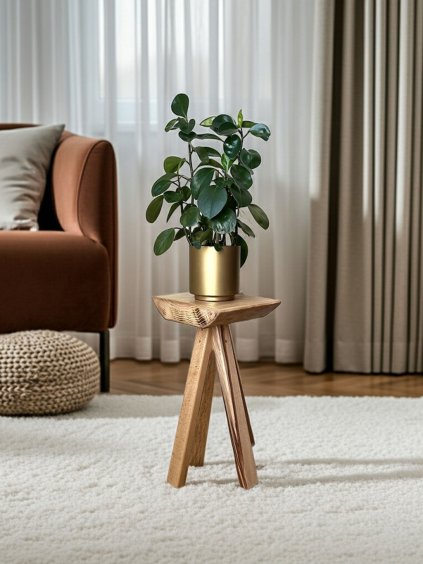
WoodenBotanery Plant Table CASTOR Ash-Beech
View details

WoodenBotanery MONOLITH Designer Solid Walnut Table
View details
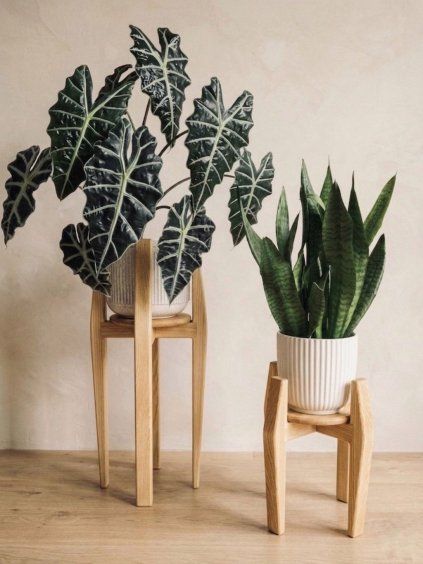
WoodenBotanery VERTIGO DUO 360° – Plant Stand Set (68 cm) Color: Light Oak, Size: up to 28 cm
View details
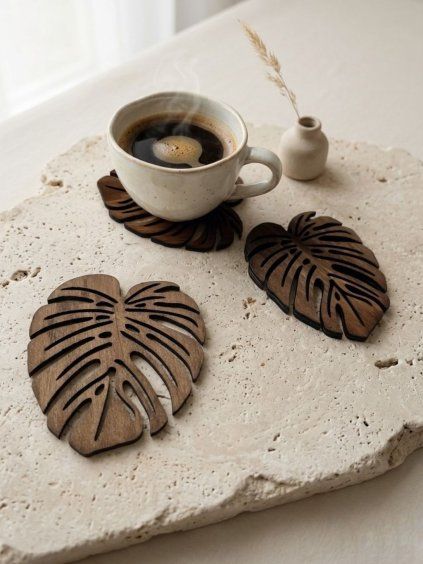
Designer Wooden Monstera Drink Coasters | Set of 4
View details
FAQ
Does a monstera need a plant support or pole?
Yes. Vertical support helps the plant climb upwards and promotes the growth of larger, healthier leaves.
How often does a new monstera leaf grow?
Under optimal conditions, a monstera can unfurl a new leaf every 3–6 weeks during its active growing season.
Conclusion
When you learn how to grow a monstera properly, it will reward you with rapid growth and breathtaking leaves that become the centerpiece of your home.
The WoodenBotanery brand believes every plant deserves quality support and conditions that foster natural growth — because a healthy monstera is always the result of proper care.