
How to Increase Humidity for Tropical Plants
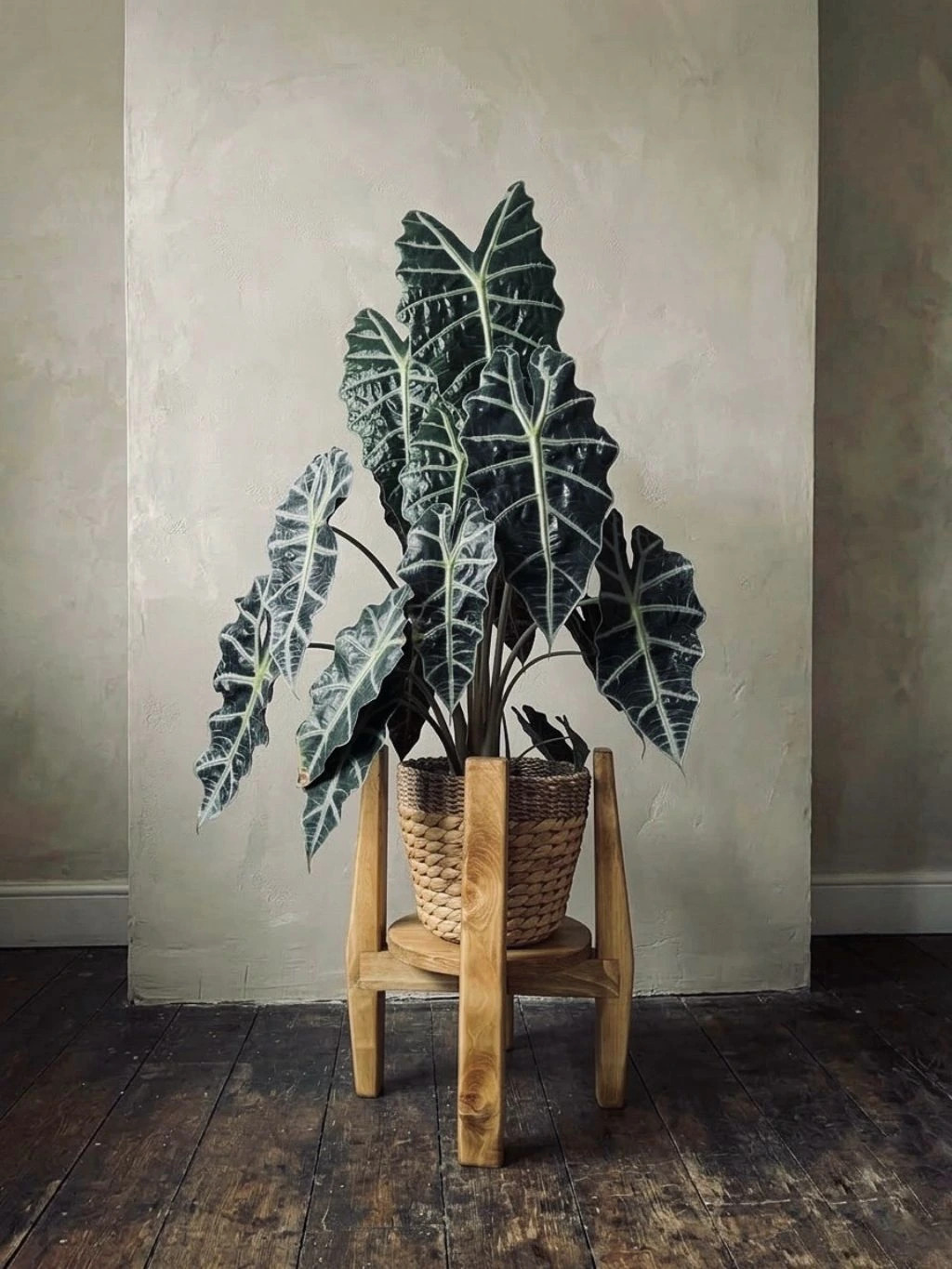
Tropical houseplants can transform any interior into a lush green oasis. However, monsteras, alocasias, and calatheas all share one common requirement — higher air humidity. In average homes, indoor air often becomes too dry, especially during the heating season, which quickly reflects on foliage appearance. If you're wondering how to create optimal plant humidity, this article provides practical solutions that work even without a professional greenhouse setup.
At WoodenBotanery, we believe houseplants should thrive not just in botanical gardens, but in modern homes too. It all comes down to understanding a few simple principles.
Why Tropical Houseplants Suffer Indoors
Most tropical houseplants originate from rainforest environments where humidity sits between 60% and 90%. Indoors, however, relative humidity frequently drops below 40%, particularly in winter due to central heating or during hot summer days with air conditioning.
Dry air leads to:
- crispy, brown leaf tips,
- stunted growth,
- curled or dry leaves,
- increased susceptibility to houseplant pests,
- abortion or loss of new leaves.
Providing proper humidity for plants is one of the single most crucial factors when growing tropical species indoors.
How to Identify Low Indoor Humidity
The problem isn't always immediately obvious. Tropical plants often react gradually.
Typical low humidity warning signs:
- dry or crispy leaf margins,
- leaves curling inward,
- unfurling leaves failing to open properly,
- a plant appearing "tired" despite correct watering.
The most accurate tool is a digital hygrometer — a small humidity sensor. Ideal indoor humidity for most tropical houseplants is around 60%.
Plants Sensitive to Dry Air
Certain plant species react to dry air far more severely than others.
Among the most sensitive are:
- Monstera deliciosa,
- Calathea,
- Alocasia,
- Philodendron,
- Maranta (Prayer Plant),
- Anthurium,
- Stromanthe.
These houseplants appreciate stable humidity levels and proper placement away from radiators or cold drafts.
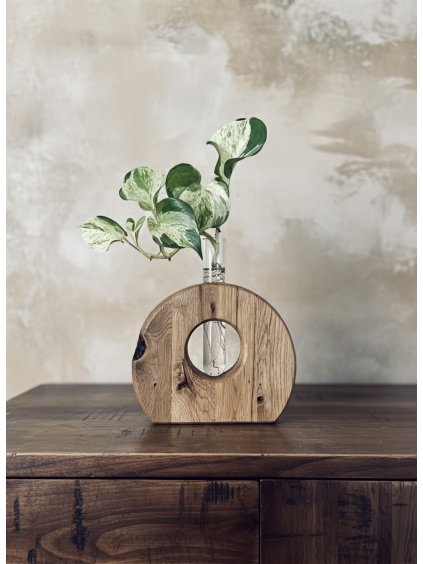
WoodenBotanery Oak Vase PORTAL
View details
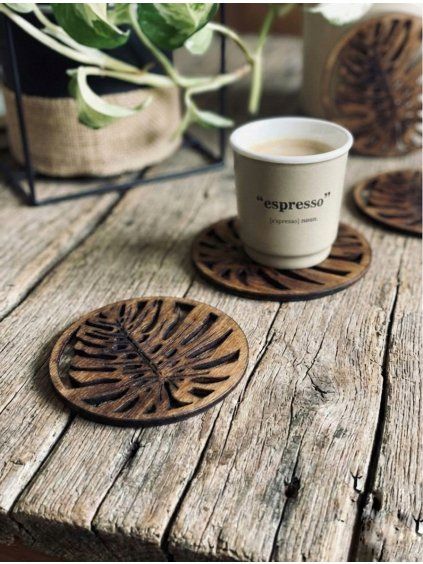
WoodenBotanery Drink Coasters MONSTERA LEAF diameter 10cm Size: 4 pcs
View details

WoodenBotanery LINEA Side Table – Solid Ash Wood
View details

ESSENTIA II – Wall-mounted Plant Stand made of Ash and Acacia | Woodenbotanery
View details
7 Ways to Increase Humidity for Houseplants
- Room Humidifier
The most effective way to boost plant humidity is a quality room humidifier. It maintains consistent moisture levels throughout the day.
Benefits:
- stable humidity,
- ideal for larger plant collections,
- health benefits for humans as well.
Works best in smaller rooms or designated plant nooks.
- Grouping Plants Together
Plants naturally release moisture through transpiration. Placing them close together creates a localized microclimate.
This trick:
- helps maintain elevated humidity,
- looks visually pleasing,
- creates a natural, lush interior look.
At WoodenBotanery, we recommend pairing plants of different heights and leaf textures for an even better display.
- Pebble Trays with Water
A simple and budget-friendly method.
How to do it:
- Fill a tray or saucer with pebbles.
- Add water just below the top of the pebbles.
- Place the plant pot on top of the stones.
As water evaporates, it raises humidity right around the plant.
- Regular Plant Showering
Many tropical houseplants love a gentle shower with lukewarm water.
Showering:
- washes away accumulated dust,
- provides a temporary humidity boost,
- helps deter pests.
Best done in the morning so foliage can dry properly during the day.
- Create a Plant Nook
Dedicate a specific area in your home to plants where high humidity can be maintained easily.
Ideal setup:
- plenty of bright indirect light,
- minimal drafts,
- multiple plants clustered together,
- a humidifier nearby.
A dedicated green sanctuary looks harmonious and makes plants feel at home.
- Keep Plants Away from Radiators
Radiators severely dry out indoor air. Whenever possible:
- don't place plants directly above heat sources,
- use elevated plant stands or risers,
- maintain at least 3 feet (1 meter) distance.
Even minor repositioning can dramatically improve humidity for plants.
- Mindful Ventilation
Fresh air is important, but cold winter drafts can shock tropical houseplants.
Avoid:
- freezing drafts,
- sudden temperature drops,
- open windows directly adjacent to plants.
A stable environment is key to growing healthy tropical plants.
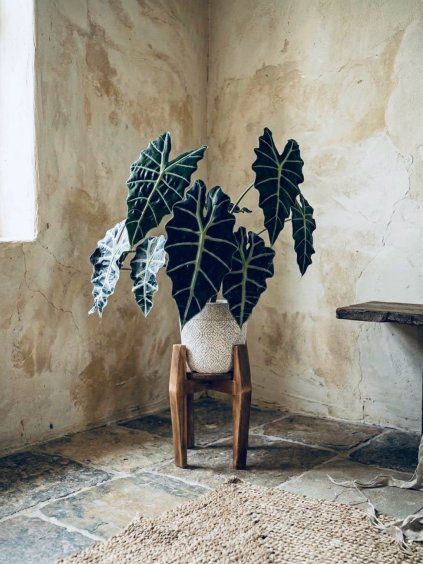
WoodenBotanery Rotating Plant Stand VERTIGO 360 Spruce Color: Light Walnut, Size: up to 22 cm
View details

WoodenBotanery Wall-mounted Plant Stand LUNA Acacia
View details
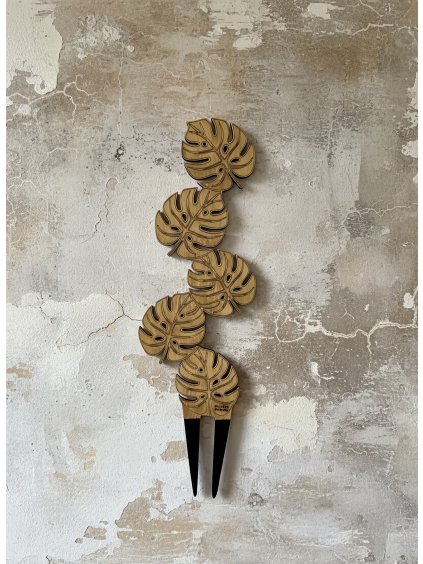
WoodenBotanery Plant Support MONSTERA STICK - Light Brown
View details

BotaneryLab™ NEXUS – Designer Solid Walnut Tabletop Stand for Floral Arrangements with Glass Test Tube
View details
Mistakes to Avoid
When trying to raise humidity, indoor gardeners often make these mistakes:
- excessive misting without adequate airflow,
- overwatering plants instead of raising humidity,
- placing pots near active radiators,
- keeping plants in dark corners,
- exposing plants to abrupt temperature fluctuations.
Remember that high humidity without sufficient light and air circulation can promote fungal growth and mold.
FAQ
Does misting houseplants actually work?
Yes, but only temporarily. Misting raises humidity for just a few minutes, so it shouldn't be your sole solution. A room humidifier or grouping plants together is much more effective.
What is the ideal humidity level for houseplants?
For most tropical houseplants, ideal humidity ranges between 60% and 70%. Certain varieties like calatheas or alocasias prefer even higher humidity.
Conclusion
Optimal plant humidity significantly impacts overall plant health, growth rate, and foliage appearance. Tropical houseplants don't need a flawless jungle environment — just a few thoughtful tweaks around your home.
If you want to build a stylish botanical space filled with thriving houseplants, take inspiration from nature and offer your green companions an environment where they feel right at home.