How to Water Houseplants Properly (and Avoid Overwatering Them)
Houseplants have the power to transform any interior into a cozy, vibrant living space. Yet, improper watering remains the single most common reason indoor plants decline. If you're asking how to water houseplants correctly so they thrive for years to come, you're in the right place.
In this article, we’ll show you how to recognize your plants' needs, avoid overwatering, and set up a simple care routine that even beginners can easily master.
Why Most Houseplants Die from Watering Issues
Many people believe that houseplants need as much water as possible. In reality, the opposite is true — most indoor plants die from overwatering, not drought.
Roots require oxygen just as much as they need moisture. When potting soil stays constantly waterlogged, roots suffocate, rot sets in, and the plant slowly declines. Common warning signs include yellowing leaves, soft stems, or a musty odor from the soil.
On the flip side, prolonged underwatering causes wilting, crispy leaf tips, and stunted growth. Proper plant watering is all about balance.
How to Tell When Your Plant Needs Water
The best way to know if your houseplant needs a drink is by checking the potting soil moisture.
The Simple Finger Test
Insert your finger about 1 to 2 inches (2–3 cm) into the soil:
- if the soil feels dry, water your plant,
- if it still feels damp, wait a few more days.
Watch the Foliage
Houseplants often signal thirst through their leaves:
- drooping or limping foliage,
- dull, faded leaf color,
- curled or crispy leaf margins.
However, some species react similarly to overwatering, which is why checking soil moisture is always more reliable than looking at leaves alone.
Overwatering vs. Underwatering Differences
Overwatered Plant
Typical symptoms:
- yellow leaves,
- mushy or brown stems,
- mold on topsoil,
- foul smell from the pot,
- sudden leaf drop.
Underwatered Plant
Common signs:
- dry, brittle, and crispy leaves,
- wilting foliage,
- severely dry soil shrinking away from pot edges,
- stalled growth.
If you're ever uncertain, always test soil dampness first.
Watering Frequency by Houseplant Type
Every plant species has distinct water requirements. There is no universal watering schedule.
Tropical Houseplants
Tropical varieties love lightly damp soil and higher humidity levels.
Examples include:
- monstera,
- calathea,
- philodendron,
- alocasia.
Generally, water them:
- 1–2 times per week in summer,
- less frequently during winter.
Soil should never remain completely waterlogged.
Succulents & Cacti
Succulents store water in their fleshy stems and leaves, so they require significantly less frequent watering.
A simple golden rule applies:
- allow the potting mix to dry out completely between waterings.
In winter, watering once every few weeks is often plenty.
Flowering Houseplants
Blooming plants consume more energy and water while in active bloom.
Key guidelines:
- keep soil consistently light and damp,
- avoid letting roots sit in water,
- regularly deadhead spent blooms.
Most Common Watering Mistakes
Houseplant owners frequently fall into the same care traps:
- Watering Too Frequently
Giving small amounts of water every single day causes more harm than a thorough soak once in a while.
- Pots Without Drainage Holes
Without drainage, excess water pools at the bottom, directly causing root rot.
- Ignoring the Seasons
Plants slow down growth in winter and require far less moisture.
- Watering Strictly by the Calendar
Every home has different temperatures, light, and humidity. Observe your plant rather than watering blindly.
- How to Check Soil Moisture Accurately
Besides the finger test, you can use:
- a wooden skewer,
- a soil moisture meter,
- lifting the pot to check its weight.
A dry pot feels noticeably lighter than one freshly watered.
Using a well-aerated, chunky soil mix that drains water efficiently is equally essential. Combining the right potting mix with proper drainage pots dramatically lowers overwatering risks.
Seasonal Light & Water Adjustments
Spring & Summer
Plants are actively growing and require:
- more water,
- frequent fertilizing,
- higher humidity.
Autumn & Winter
Growth slows down or enters dormancy:
- water less often,
- allow soil to dry out more between waterings,
- watch out for cold window sills and dry radiator heat.
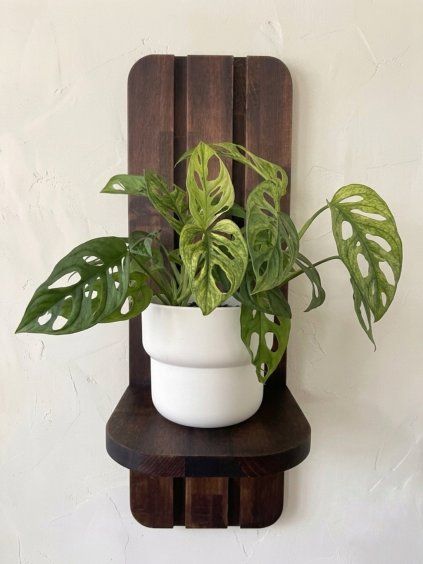
WoodenBotanery Wall-mounted Pot Holder CIRRUS Acacia - Wavy
View details
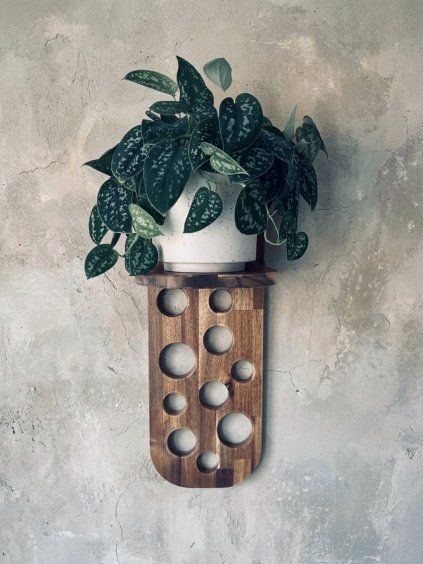
WoodenBotanery Wall Plant Shelf CIRCULUS
View details
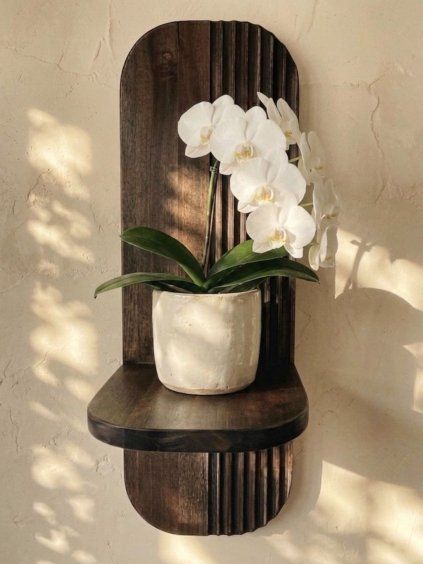
WoodenBotanery Wooden Plant Shelf BALANSE Acacia
View details
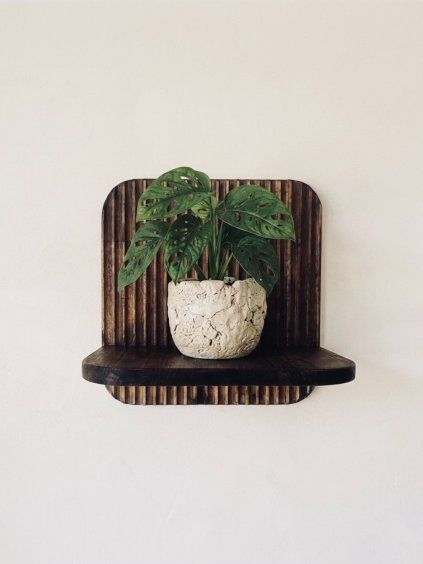
WoodenBotanery Wall Plant Shelf UNDA MINIMA
View details
Practical Watering Tips for Beginners
If you're new to indoor gardening, these quick tips will make care effortless:
- err on the side of underwatering rather than overwatering,
- always use plant pots with drainage holes,
- check the soil, not the calendar,
- adjust watering frequency by season,
- use room-temperature, settled tap water,
- start with low-maintenance, beginner-friendly houseplants.
At WoodenBotanery, we believe keeping plants should bring joy, not stress. Even small improvements in your care routine can dramatically extend the life of your green companions.
FAQ
Is it better to water houseplants in the morning or evening?
Morning is ideal. Plants utilize moisture better during daylight hours, preventing soil from staying cold and wet overnight. However, evening watering is generally fine for standard houseplants.
How much water should I pour?
It depends on plant size, pot type, and soil mix. Water thoroughly until water drains out of the pot's bottom holes, then empty any excess water from the saucer/drip tray.
Can I water houseplants with tap water?
Yes, but let it sit out for at least 24 hours first.
Conclusion
If you want to know how to water houseplants properly, the most crucial step is learning to observe their needs. Successful watering isn't about rigid schedules, but about striking a balance between soil moisture, light levels, and plant variety.
Once you master these simple principles and prevent overwatering, your houseplants will stay healthier, look more beautiful, and thrive for years to come.