
The Miracle of Birth: A Comprehensive Guide to Plant Propagation Techniques and Aesthetics in Modern Interiors
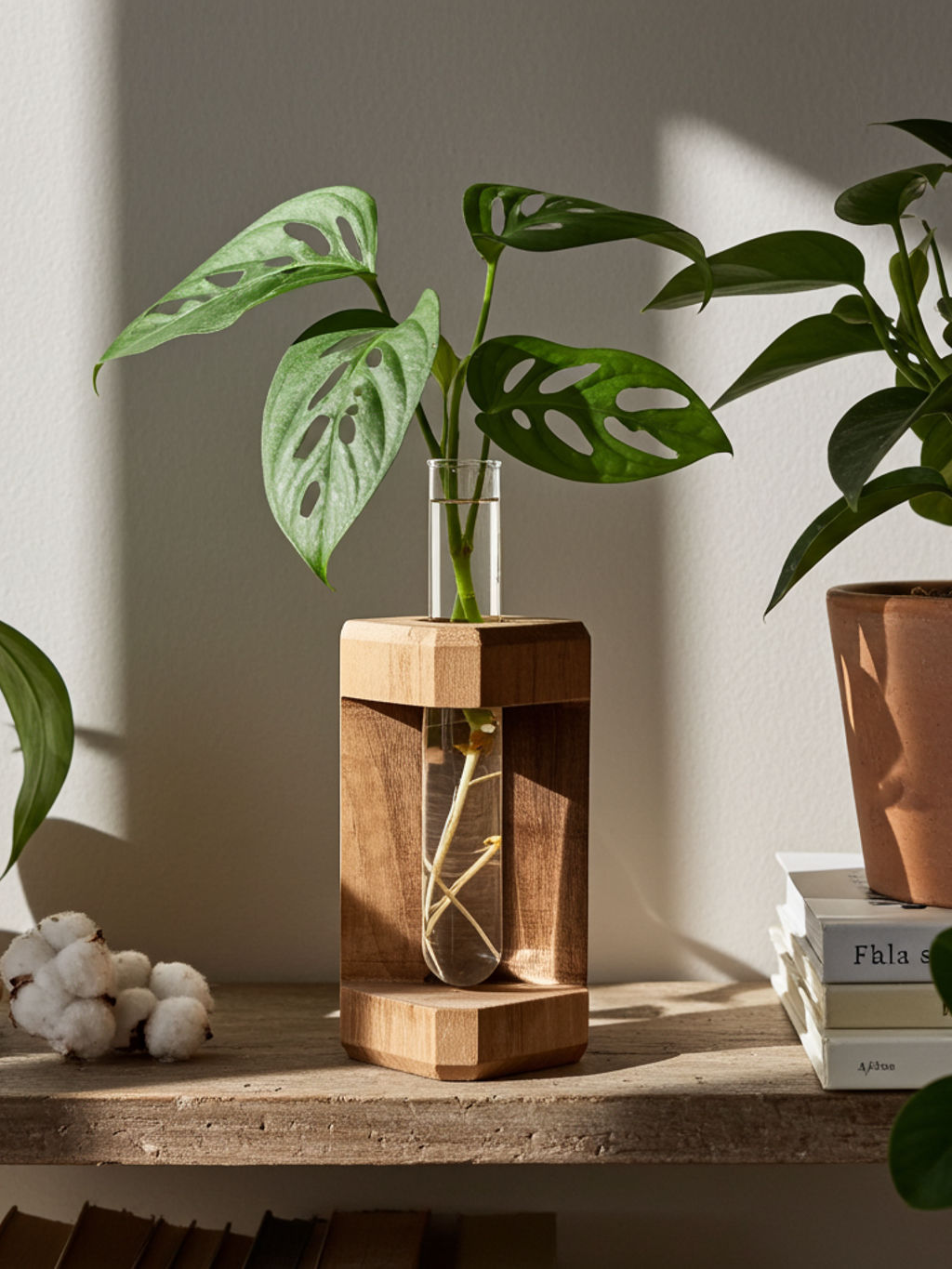
In the silence of your home, one of nature's most fascinating processes unfolds, often hidden from our eyes. While the outdoors is subject to the cycles of the seasons, your domestic "Urban Jungle" offers a space for constant life and renewal. Houseplant multiplication—or propagation—is not just a technical discipline for gardeners. It is an intimate dialogue between humans and nature, a lesson in patience, and ultimately, in the context of modern design, a unique form of living art.
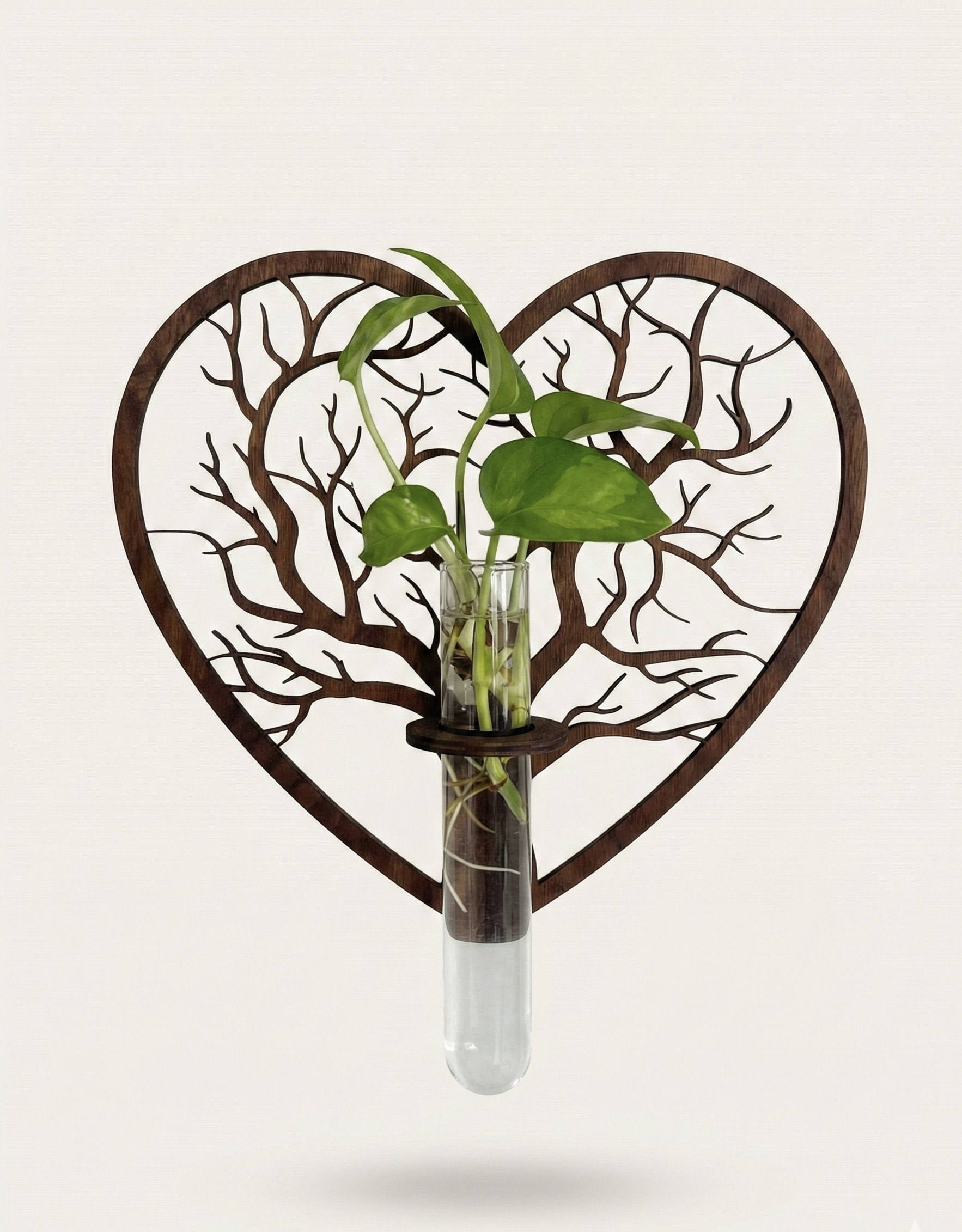
At Wooden Botanery, we believe this process deserves more than just a jam jar on a windowsill. It deserves a frame that highlights its fragile beauty. Just as a painting needs a mount, a developing root system needs an environment that harmonizes with your home. In this exhaustive guide, we will walk you through not only the techniques for successfully propagating your favorite plants but also how to elevate this process into an aesthetic experience that brings peace and soul to your interior.
Chapter I: The Philosophy of Regeneration and the Psychology of Growth
Before we pick up our tools, it is important to understand why the propagation process attracts us so much. Plants possess a quality that we humans can only envy—totipotency. Every single living plant cell carries within it the complete genetic information and the potential to regenerate the entire organism. When you cut a stem from a Monstera or a Pothos, it doesn't become waste; it becomes a new beginning.
The Therapeutic Dimension of Watching Roots
In an age of digital overload, our homes become sanctuaries. Environmental psychology studies repeatedly confirm that interaction with indoor greenery reduces levels of the stress hormone cortisol and improves cognitive function. However, there is a specific phenomenon associated specifically with water propagation.
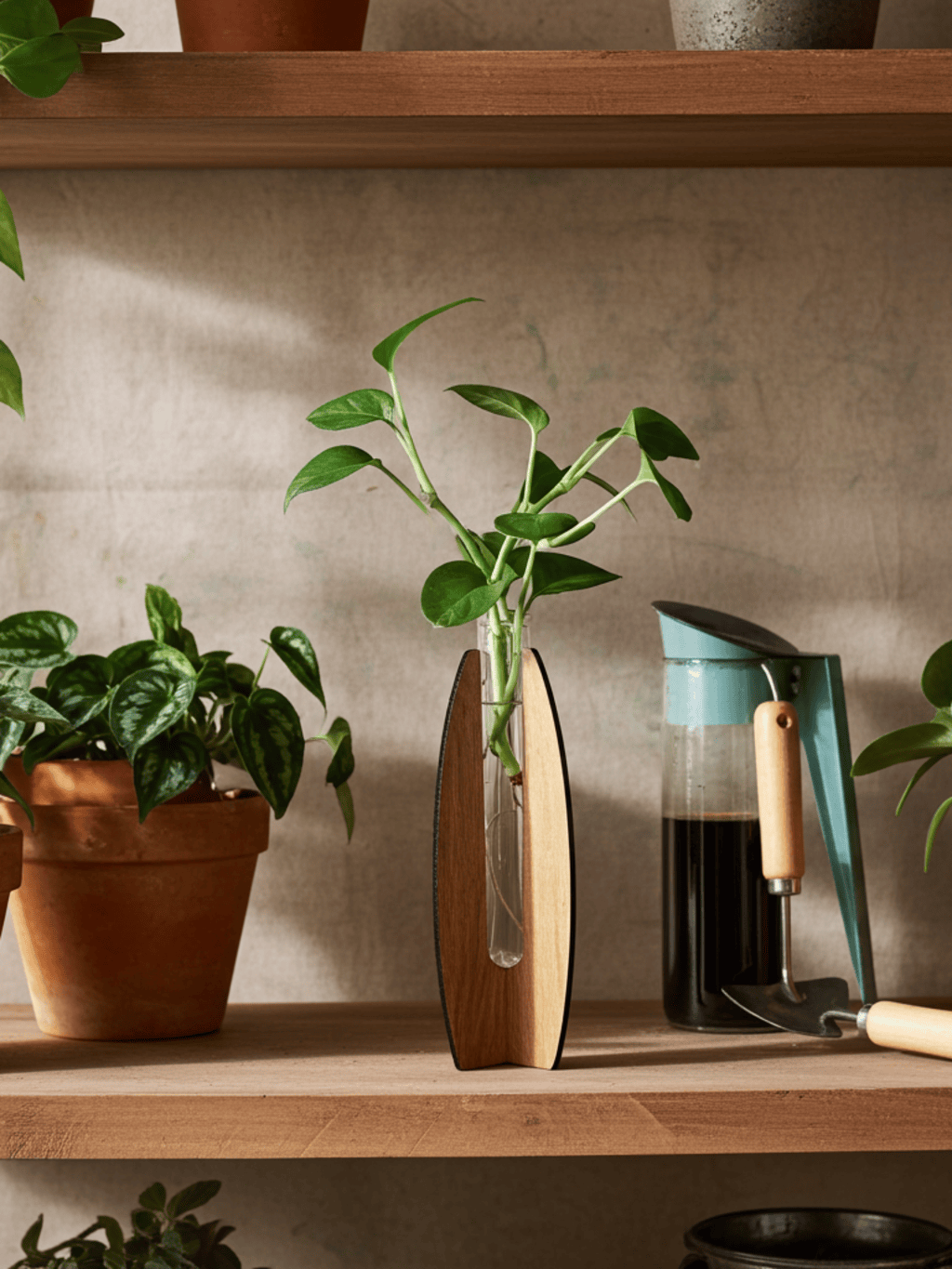
The transparency of glass allows us to witness a process that, in nature, is normally hidden in the darkness of the soil. Seeing the first white hair-like roots push through the healing tissue (callus) evokes a deep sense of satisfaction and hope in the observer.
It is a form of "slow TV" live in your living room. Our propagation stations, BotaneryLab™ ELEMENT or TRINITY, are designed with exactly this intent—not to distract, but to frame this wonder of nature within a minimalist wooden object that becomes a centerpiece on your desk or shelf.
Chapter II: The Alchemy of Preparation – Tools, Water, and Light
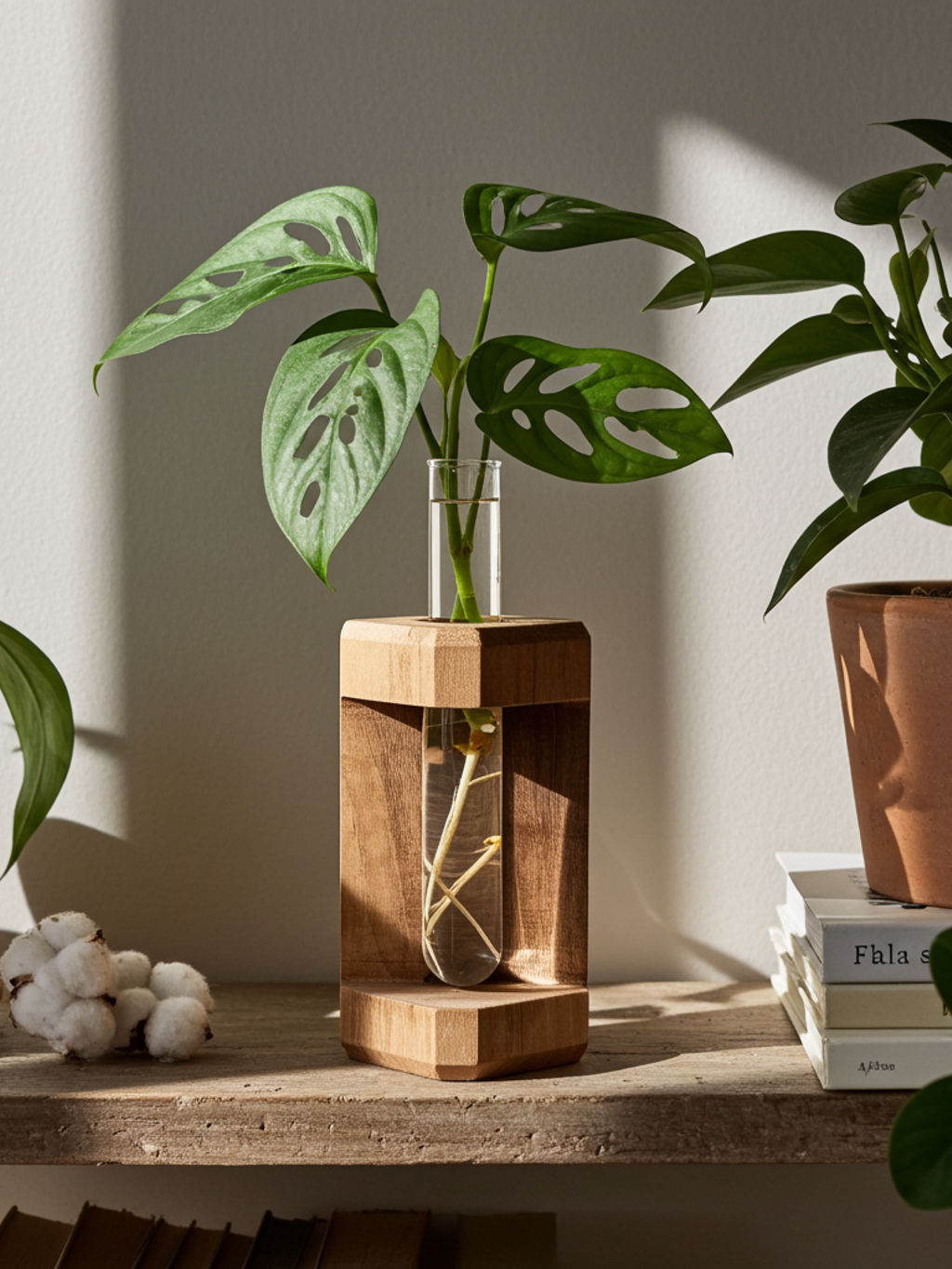
Success in propagation does not depend on luck, but on precise preparation of conditions. A common mistake for beginners is underestimating hygiene and the quality of the environment in which the cutting is placed.
The Tool as an Extension of the Hand
A cut is a surgical procedure for a plant. Using dull scissors crushes the stem's vascular tissues, opening a gateway for pathogens and rot.
- The Golden Rule: Use only a sharp knife (such as a scalpel or grafting knife) or high-quality garden shears.
- Sterilization: Disinfect the tool with alcohol or a flame before every cut. The transmission of viral diseases (such as mosaic virus) between plants is a real risk.
Water – The Medium of Life
Not all water is created equal. The chlorine contained in standard tap water can inhibit the development of delicate root hairs.
Recommendation: Use settled water (let it sit for at least 24 hours), rainwater, or filtered water. The water temperature should be room temperature—water that is too cold will cause thermal shock to the cutting.
- The Aesthetics of Water: Water clarity is key not only for the plant's health but also for the visual effect. In our test tubes within the BotaneryLab™ stands, you can immediately see the water quality. If it begins to cloud, it is a signal of bacterial growth. Changing the water in these systems takes seconds and ensures your "green station" always looks like a laboratory of cleanliness, not a forgotten experiment.
Light and Heat – The Engines of Growth
Rootless cuttings cannot absorb water as efficiently as mature plants, so do not expose them to direct midday sun, which would dry them out. However, they require plenty of bright indirect light for photosynthesis, which provides the energy for root formation. Heat is a catalyst—the ideal temperature for the substrate or water is around 22-25 °C.
Chapter III: Propagation Methodology – From Theory to Practice and Design
There are several ways to obtain a new plant. We will focus on those that yield the best results in domestic conditions and simultaneously provide the greatest aesthetic experience when using our products.
Method A: Tip and Stem Cuttings (Technique for Aroids)
This method is ideal for popular "Urban Jungle" plants such as Monstera deliciosa, Monstera adansonii, Epipremnum (Pothos), Philodendron, or Scindapsus.
Anatomy of the Cut:
The key term is the node. It is the thickened spot on the stem from which leaves and often aerial roots grow. The internode is the smooth part of the stem between nodes. Growth hormones (auxins) are concentrated precisely in the nodes.
- Identify a healthy stem with at least one, ideally two, leaves.
- Make the cut with a clean tool approximately 1-2 cm below the node (in the internode).
- If the cutting has too many leaves, remove the bottom ones so they are not submerged in water (they would rot).
Styling and Placement:
This is the moment of transformation. Instead of tossing cuttings into a jar, create a composition.
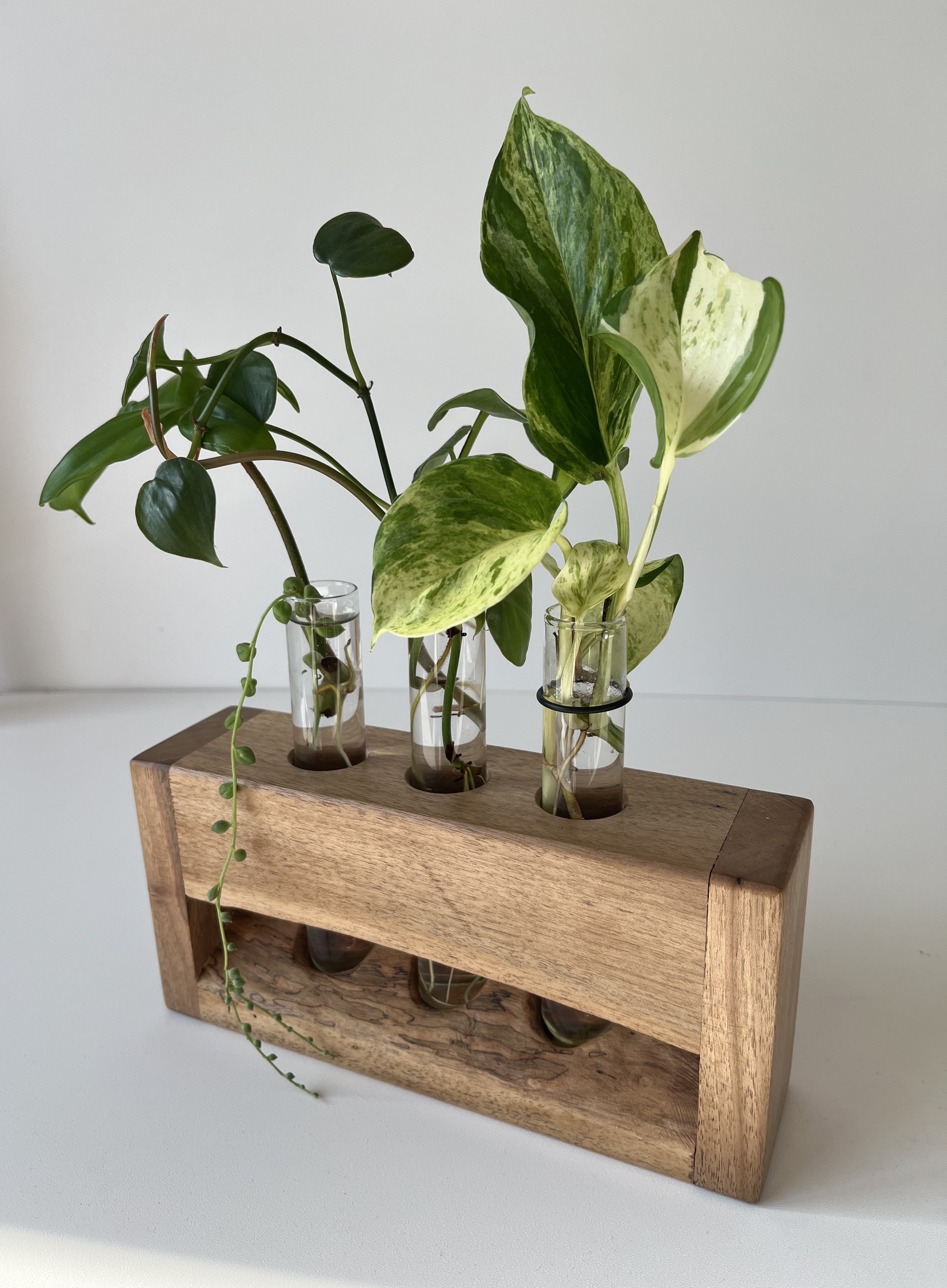
- The Solitaire Approach: For a single Monstera adansonii cutting, choose the NORDIC Vase or the PORTAL Vase. The massive oak wood of these vases provides the necessary visual weight and stability for a large leaf, while the circular cutout of the Portal creates a dramatic frame for the stem.
- Serial Propagation: If you are propagating multiple Pothos cuttings (e.g., to create a full pot), utilize multi-chamber stations like the BotaneryLab™ TRINITY (walnut) or FUSION (a combination of woods). Placing three test tubes side-by-side creates a rhythm and allows you to compare the growth rate of individual cuttings. It is a living infographic of nature.
Method B: Leaf Propagation (Succulents and Sansevieria)
Plants like Sansevieria (Snake Plant) or Zamioculcas have the ability to regenerate directly from leaf tissue.
Process:
- Cut a healthy, mature Sansevieria leaf.
- You can cut it into 5-7 cm long segments. Caution: You must remember the polarity—which side was down (closer to the roots) and which was up. If you plant the segment upside down, it will not root.
- Key Step – Callus: Let the cut wounds dry in the air for 24 to 48 hours. A silvery film (callus) must form to prevent water from penetrating the tissue and causing subsequent rot.
Method C: Division and "Keiki" (Tillandsia and Orchids)
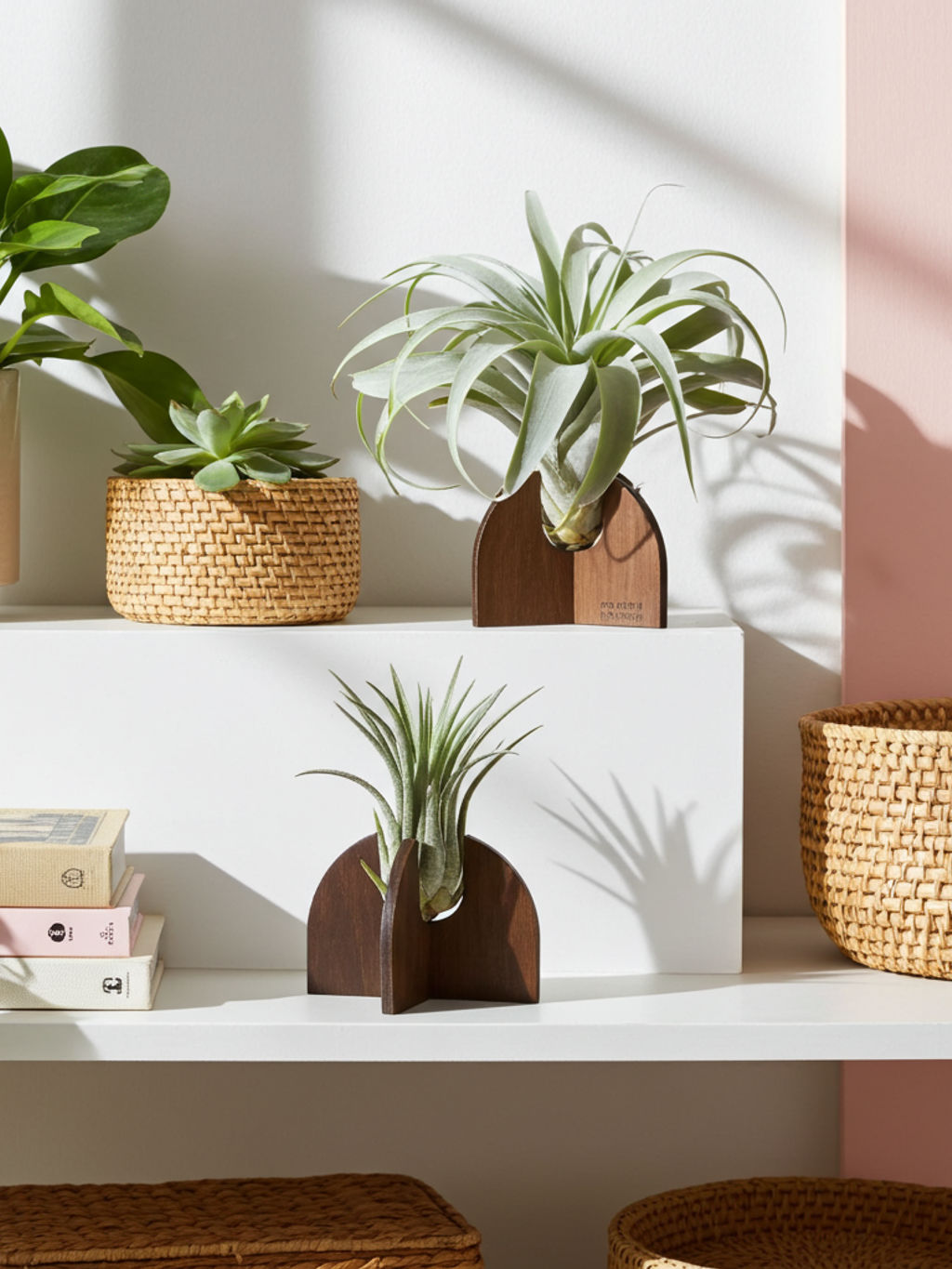
A specific category includes epiphytes, especially Tillandsia (air plants). These plants reproduce by creating daughter offsets directly on the mother plant.
Separation and Presentation:
When the daughter plant reaches at least one-third to one-half the size of the mother, you can carefully separate it with a twisting motion.
Tillandsias are the essence of minimalism—they do not need soil; they live on air and moisture. Enclosing them in terrariums with insufficient airflow is a mistake.
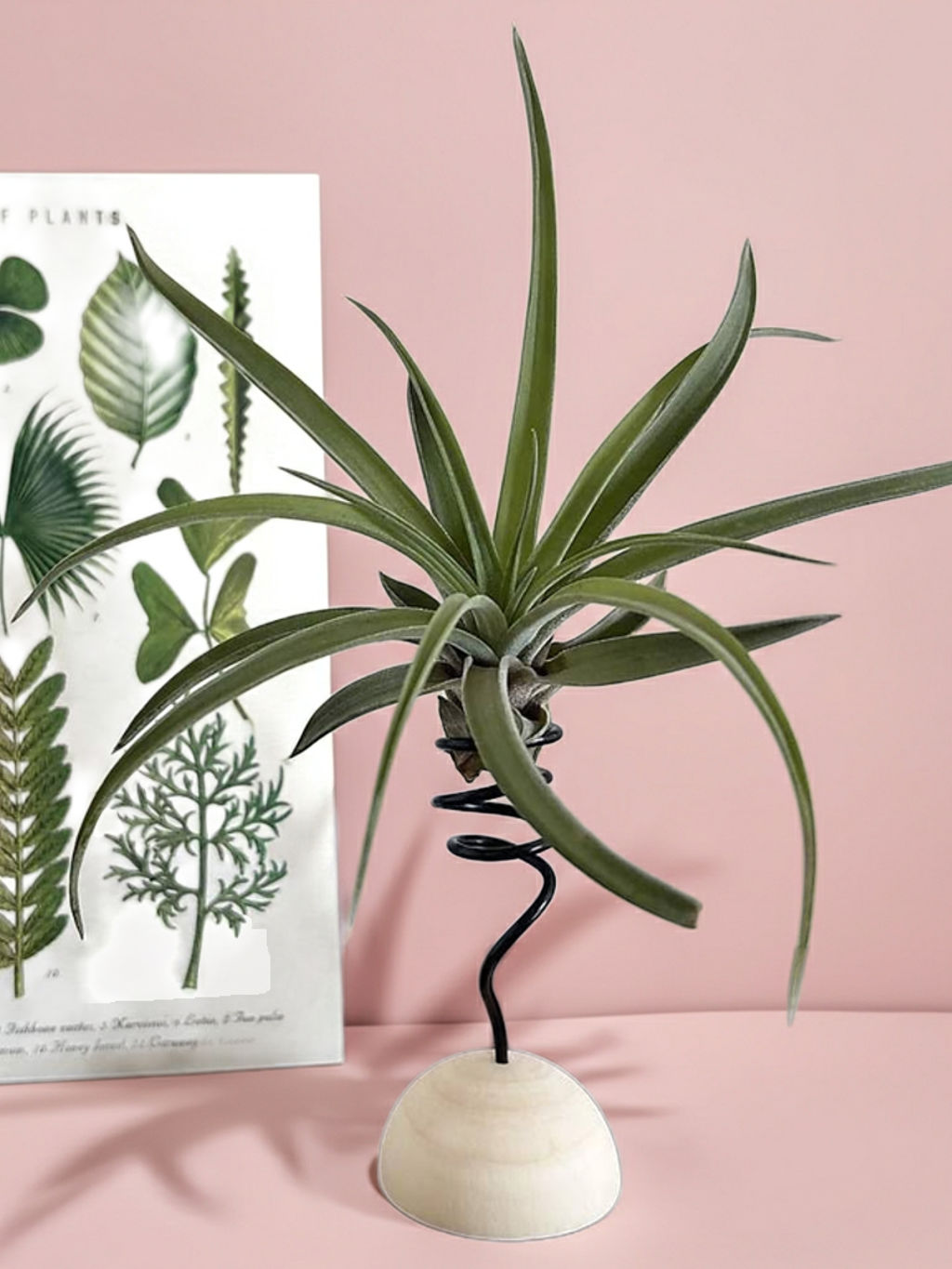
Our solutions, the AIRFORM Stand (bent beech) or the hanging DIAMOND Aerarium, respect their need for air circulation. The CUBE wooden base made of ash creates a small "throne" for the Tillandsia, elevating it like a sculpture, not just a plant.
Chapter IV: A Dendrological Excursion – Choosing Wood for Your Green Ritual
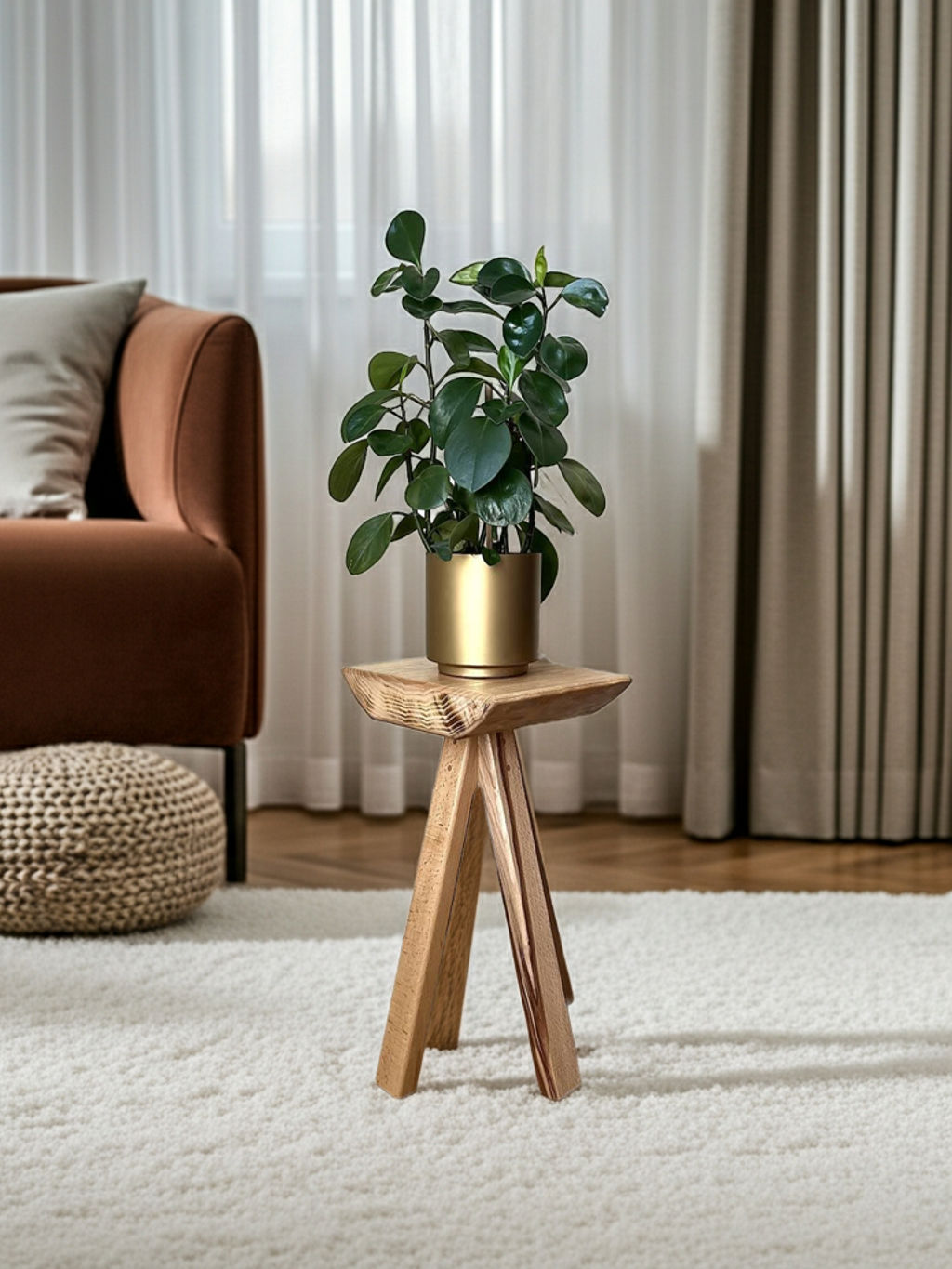
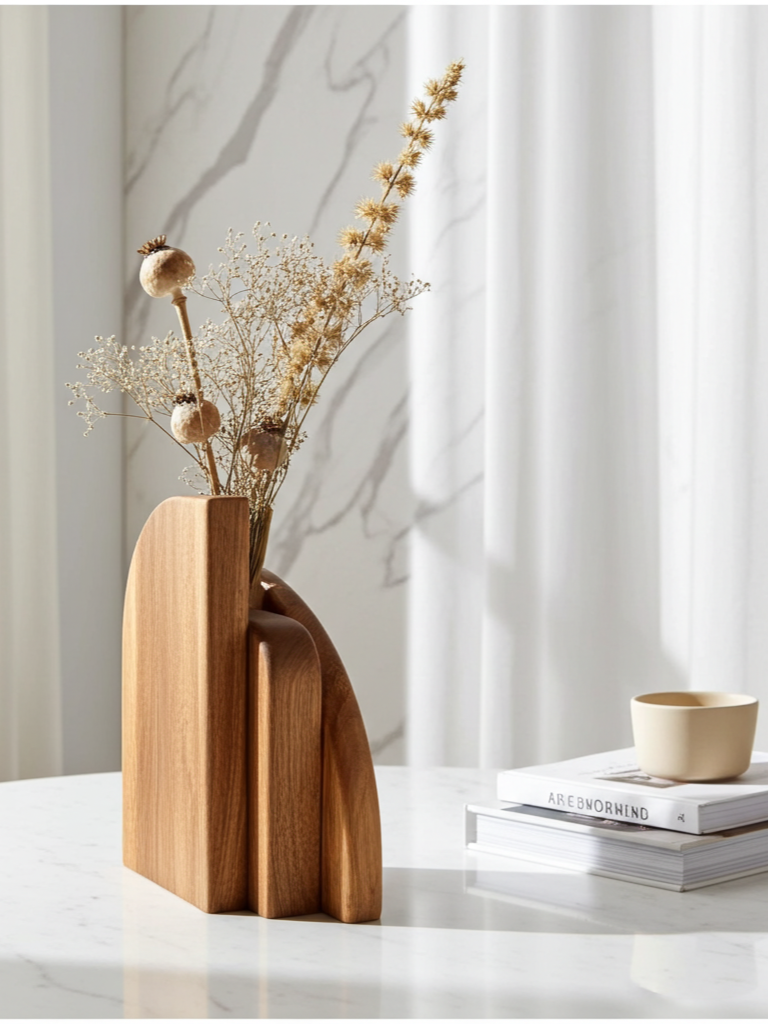
At Wooden Botanery, wood is not just a material; it is a carrier of character. When choosing a propagation stand or vase, you should consider not only functionality but also the "personality" of the wood and its harmony with the plant and your interior.
Choosing the right wood can change the perception of the plant. Light ash brings airiness and optimism to a space, while dark walnut brings a sense of stability and history. All our products are treated with natural oils that highlight the grain and protect the wood from occasional water droplets during cutting maintenance.
Chapter V: Troubleshooting
The road to a new plant is not always straight. Here are the most common problems we encounter and their solutions based on biological principles.
1. Stem Rot
- Symptoms: The end of the stem in water turns brown or black, becomes mushy, and smells.
- Cause: The presence of anaerobic bacteria (e.g., Erwinia, Pseudomonas) or fungi (Phytophthora), often caused by a lack of oxygen in the water or an infected tool.
- Solution: Remove the cutting immediately. Cut off the rotted part back to healthy tissue (the cut must be clean and white/green). Disinfect the container (test tube). Let the cut dry longer and try again.
Tip: Add a piece of activated charcoal or a few drops of hydrogen peroxide (3%) to the water to oxygenate it and suppress pathogens.
2. Stagnation (No Roots)
- Symptoms: The cutting looks healthy, but even after 4-6 weeks, no roots form.
- Cause: Lack of energy (light) or low temperature. The plant is in a "dormant" state.
- Solution: Increase the intensity of indirect light. If propagating in winter, use a grow light or place the stand in a warmer spot (not directly on a radiator!).
Tip: Some plants (woody Ficus stems) need more time. Be patient. Observing a static state is also a form of meditation.
3. Algae in the Test Tube
- Symptoms: A green coating on the glass and roots.
- Cause: A combination of light and nutrients in the water (algae photosynthesis).
- Solution: Algae are not fatal for the plant, but they are an aesthetic problem and compete for oxygen. Simply clean the test tube with a brush. If you use our stands, handling is easy—the glass can be removed and cleaned without disturbing the wooden block.
Chapter VI: Interior Integration – From Test Tube to Solitaire
When the roots reach a length of 3 to 5 centimeters (or more in the case of hydroponic growing), it is time for a decision. You can either transplant the plant into substrate or keep it in water (hydroponics/semi-hydroponics).
If you decide to plant it, your new addition deserves a dignified place. Small "baby plants" get visually lost on the floor and are susceptible to drafts.
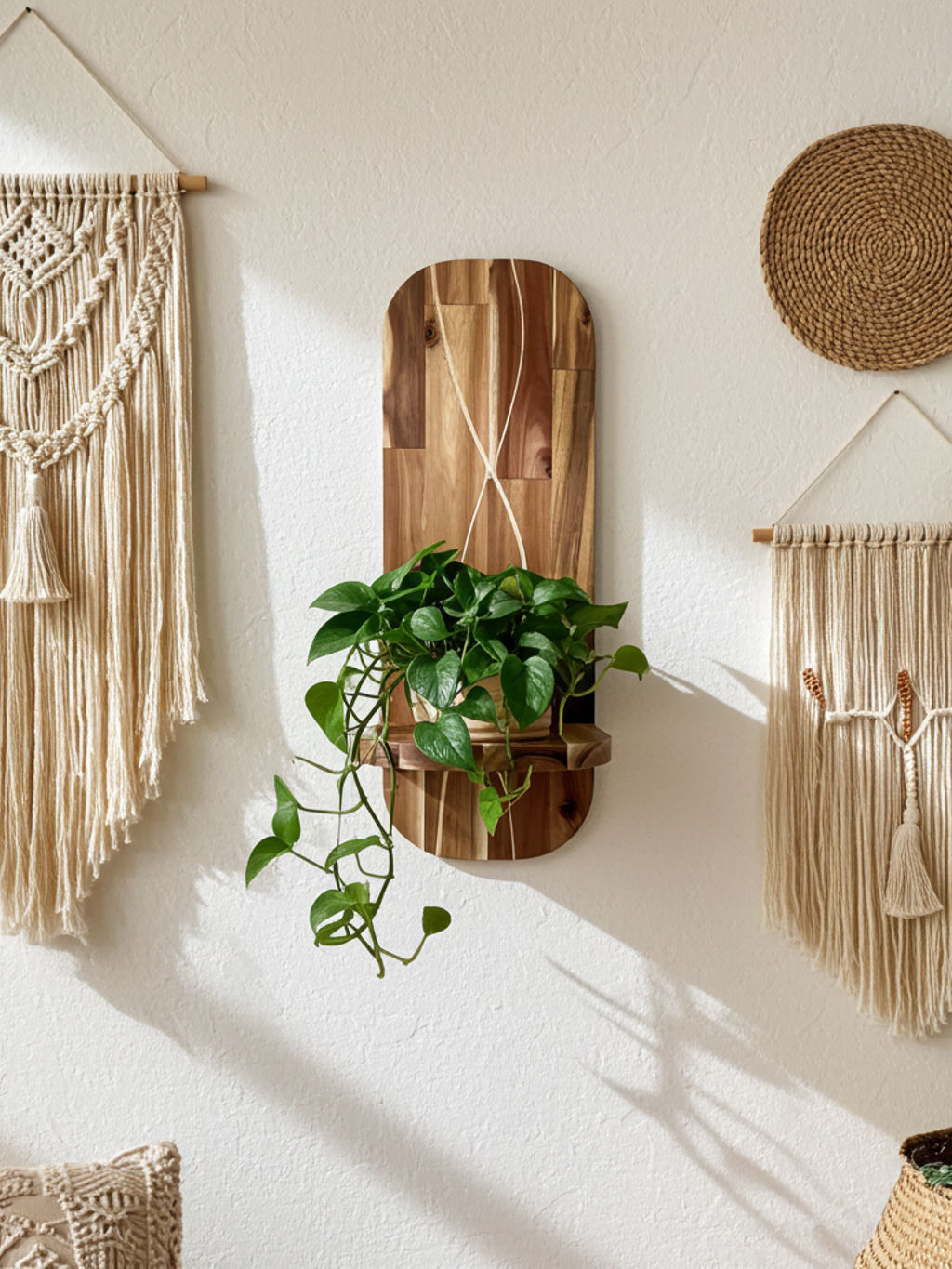
- Vertical Gardens: Utilize the walls. Our CIRRUS Wall Stands (wavy design) or UNDA (milled lines) transform an ordinary pot into a wall sculpture. By placing several pieces side-by-side, you create a green gallery.
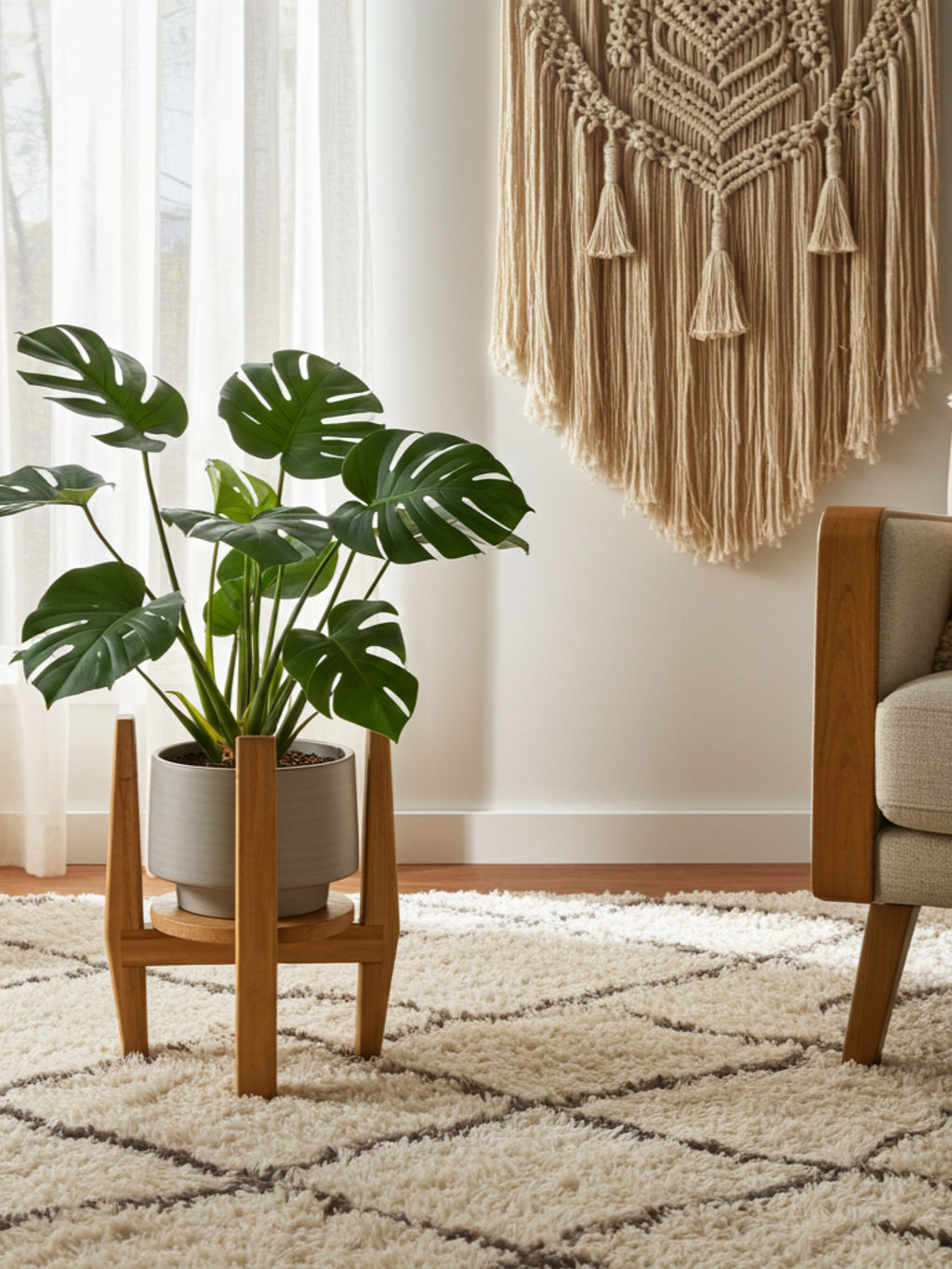
- Elevation in Space: For floor placement, the VERTIGO 360° Rotating Base is ideal. It allows you (and the plant) to rotate toward the light, ensuring even crown growth without the need to lift a heavy pot.
- Growth Support: Many Aroids (Monstera, Philodendron) are vines in nature. To form large, mature leaves (fenestrations), they need support. Instead of industrial plastic poles, choose the MONSTERA STICK or LADDER plant supports. These wooden supports not only secure the plant but are themselves design elements that harmonize with the plant's stem.
If you have climbing plants that you want to lead along the wall, avoid adhesive tape. The MONSTERA MAXI Fixing Clips (shaped like a Monstera leaf made of walnut wood) are functional jewelry that transforms chaotic vines into an organized green work of art.
Conclusion: Your Home as a Living Organism
Plant propagation teaches us that life is not static. It is a constant cycle of change, growth, and renewal. At Wooden Botanery, we strive to create products that accompany this cycle with respect and humility. Whether you choose the massive walnut POLLUX table as an altar for your plants or a tiny ELEMENT station for a single small cutting, you become part of a story where human skill meets the perfection of nature.
Let your plants take root not only in test tubes but also in your life. Slow down. Observe. Grow along with them.
For more inspiration and our range of handcrafted accessories, visit our e-shop at www.woodenbotanery.com.